When most people think of mold, they picture dark spots on bathroom walls or discoloration around a window.
But what if the moisture problem is somewhere you can't easily see?
Mold growth can occur behind drywall, beneath flooring, inside wall cavities, and around HVAC components when sufficient moisture is present.
In Savannah's humid climate, maintaining proper indoor humidity and addressing condensation are particularly important.
Potential warning signs of hidden moisture problems include:
A persistent musty smell without visible mold
Repeated condensation on windows or air conditioning components
Dampness around baseboards or flooring
Water stains that return after cleaning or painting
Rooms that consistently feel more humid than the rest of the house
Damp buildings and indoor mold exposure have been associated with certain respiratory and allergic health effects. However, mold cannot be identified as the cause of someone's health symptoms based on symptoms alone.
A professional environmental assessment can help identify moisture sources, investigate suspected mold growth, and determine whether sampling may provide useful additional information.
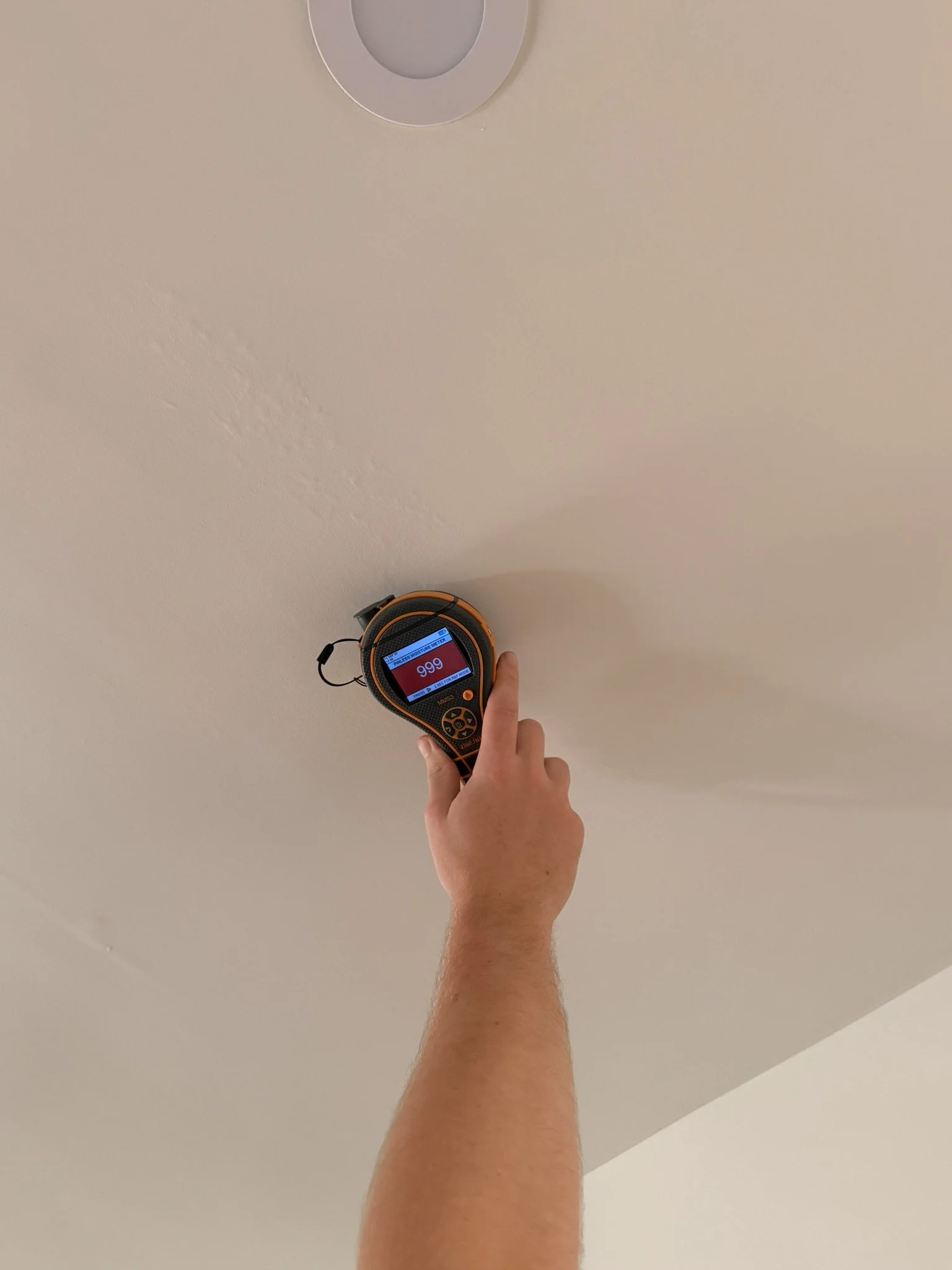
At Mangrove Air & Environmental, we believe finding the source of an indoor environmental problem is just as important as identifying its presence.
Our assessments combine visual inspections, moisture measurements, and appropriate environmental sampling to help homeowners better understand their indoor spaces.
You can't always see an indoor air quality problem, but you can investigate the conditions that allow one to develop.
Mangrove Air & Environmental, LLC
NORMI Certified IAQ/Mold Assessors
Serving Savannah and surrounding communities.