When Your HVAC System Shows Signs of Moisture: What Should You Do?
Your heating and air conditioning system does more than keep your home comfortable. It also plays an important role in managing indoor humidity.
In Coastal Georgia, where warm temperatures and high humidity are common, moisture around HVAC equipment can be a concern for homeowners.
But what happens when you notice condensation, water stains, or dark discoloration around your HVAC system? Is it normal, or could it indicate a problem that needs attention?
Understanding the possible causes is the first step.
Why Does Moisture Develop Around HVAC Systems?
There are several reasons moisture may appear around heating and cooling equipment.
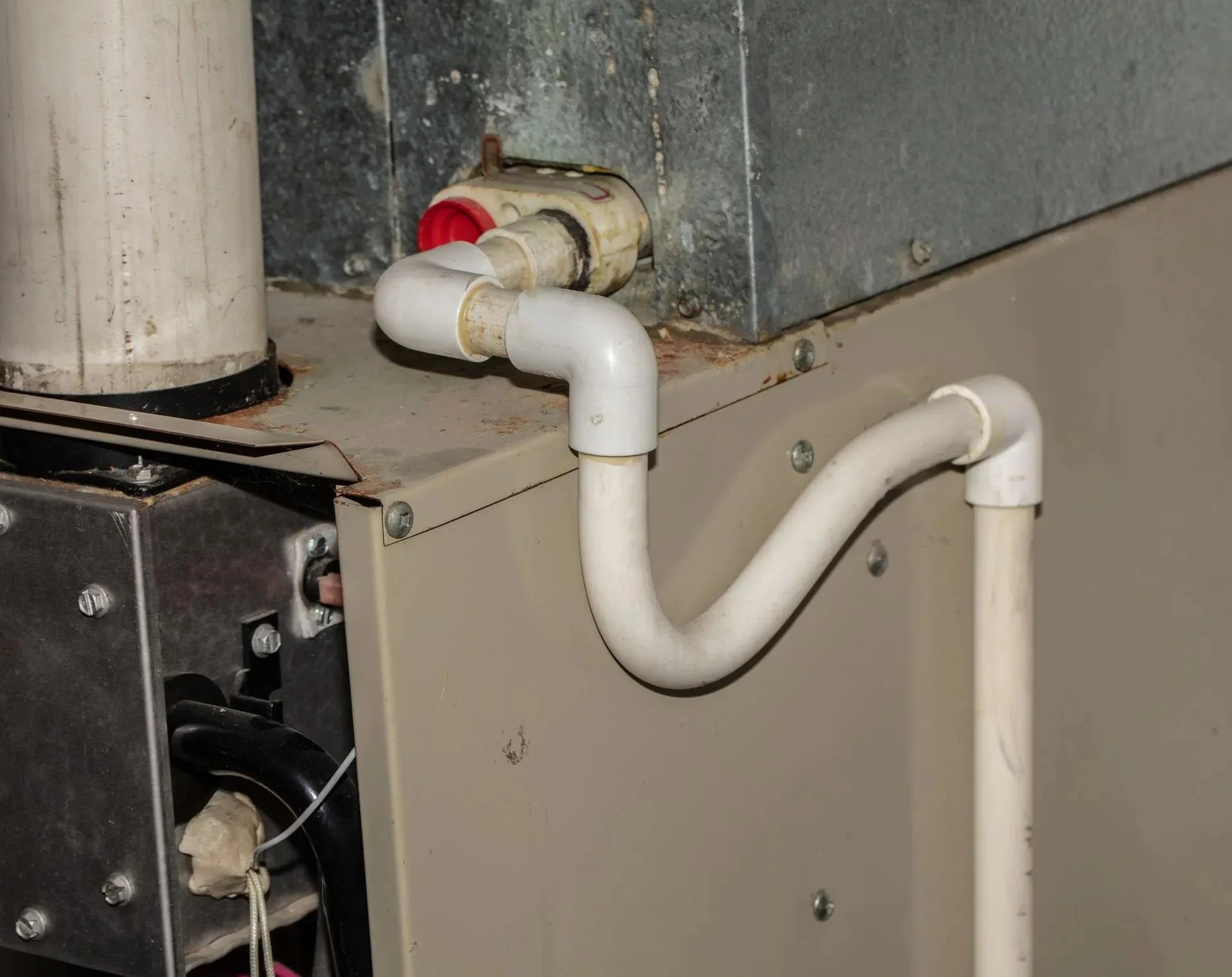
1. Condensation
Air conditioning systems naturally produce condensation as they remove moisture from indoor air.
However, condensation on the exterior of equipment, ductwork, or surrounding building materials may indicate conditions that deserve further investigation.
Warm, humid air contacting a sufficiently cool surface can cause moisture to collect, particularly when insulation or air sealing is inadequate.
2. Condensate Drainage Problems
Air conditioning systems are designed to collect and drain condensation safely.
A clogged condensate drain, damaged drain pan, or improperly installed drainage system can allow water to accumulate where it shouldn't.
If left uncorrected, persistent moisture may damage surrounding materials and create conditions favorable for microbial growth.
3. Damaged Insulation or Air Leaks
HVAC ductwork and equipment may develop condensation problems when insulation is damaged, missing, or improperly installed.
Air leakage around duct connections or equipment cabinets can also contribute to moisture problems under certain conditions.
These issues may be especially important in attics, garages, and crawlspaces, where temperature and humidity conditions can differ significantly from those inside the home.
4. Moisture From Surrounding Areas
Not every moisture problem near an HVAC system originates with the equipment.
Plumbing leaks, roof leaks, poor exterior drainage, or moisture entering from adjacent building areas can contribute to damp conditions.
Identifying the actual moisture source is essential before determining the appropriate corrective action.
Does Dark Discoloration Mean Mold?
Not necessarily.
Dark staining on HVAC equipment, insulation, or surrounding building materials may be caused by several factors, including dirt accumulation, water staining, or microbial growth.
Appearance alone cannot reliably identify mold or determine the extent of a problem.
A professional assessment may include visual observations, moisture measurements, evaluation of surrounding conditions, and sampling when appropriate.
Testing results should be interpreted in combination with the conditions observed rather than considered in isolation.
Warning Signs Homeowners Shouldn't Ignore
Pay attention to:
Water collecting around HVAC equipment
Rust or corrosion on equipment components
Damp or deteriorating insulation
Persistent musty odors near supply vents or equipment
Water staining on surrounding walls or flooring
Recurring condensation on ducts or equipment surfaces
Visible discoloration that appears to be spreading
These signs do not automatically indicate mold, but they may warrant further investigation.
What Should You Do If You Find Moisture?
The first step is identifying where the moisture is coming from.
Depending on the conditions, recommended actions may include:
Having a qualified HVAC contractor inspect the condensate drainage system.
Evaluating insulation and air leakage concerns.
Investigating nearby plumbing, roofing, or drainage problems.
Addressing affected building materials appropriately.
Considering an independent environmental assessment when suspected microbial growth or indoor air quality concerns are present.
Simply cleaning a stained surface without correcting the underlying moisture problem may allow the condition to return.
Why an Independent Assessment Matters
Moisture problems are not always straightforward. What appears to be an HVAC issue may involve multiple building conditions.
At Mangrove Air & Environmental, LLC, we investigate moisture and suspected mold concerns, document observed conditions, and provide recommendations based on assessment findings.
Our role is to help homeowners understand potential environmental concerns and determine appropriate next steps. We do not perform remediation or repairs.
Protecting Your Home Starts With Understanding the Problem
Whether moisture appears around your air handler, ductwork, or surrounding building materials, identifying the source is an important part of protecting your home.
Not every water stain means mold, but persistent moisture should never be ignored.
If you have concerns about moisture, suspected mold, or indoor air quality in your home, contact Mangrove Air & Environmental, LLC to learn more about our assessment services in Savannah and the surrounding Coastal Georgia communities.
What's Happening Beneath Your Home? Why Crawl Space Moisture Matters in Coastal Georgia
When was the last time you thought about the space beneath your home?
For many homeowners, the answer is probably not recently!
We regularly maintain our roofs, gutters, heating and cooling systems, and landscaping. But the crawl space is often forgotten until a musty odor, moisture problem, or other concern draws attention to it.
In Savannah and throughout coastal Georgia, crawl spaces can experience significant moisture challenges because of our warm temperatures, high humidity, and frequent rainfall.
Understanding what happens beneath your home is an important part of protecting your indoor environment.
Why Are Older Homes Particularly Worth Checking?
Many homes built in the 1950s, 1960s, and earlier were constructed with traditional vented crawl spaces.
These openings were intended to promote air circulation and help moisture escape.
However, ventilation alone doesn't guarantee dry conditions.
When warm, humid outdoor air enters a cooler crawl space, the air may cool enough for moisture to condense on ductwork, plumbing, and structural surfaces.
This is particularly relevant in coastal Georgia, where outdoor humidity can remain elevated for much of the year.
Modern moisture management strategies often focus on controlling moisture sources rather than simply increasing ventilation.
Where Does Crawl Space Moisture Come From?
Several conditions can contribute to elevated moisture beneath a home.
Moisture from the ground
Exposed soil continually releases water vapor. Without an effective ground vapor barrier, this moisture can increase crawl space humidity.
Poor drainage
Rainwater collecting near the foundation, improperly directed downspouts, or grading that slopes toward the house can allow water to enter or accumulate beneath the home.
Condensation
Warm, humid air contacting cooler surfaces can produce condensation, even when there are no active plumbing or roof leaks.
Plumbing leaks
Small leaks beneath a house may go unnoticed for extended periods, creating localized damp conditions.
Air movement and ventilation
Open foundation vents, gaps, and mechanical systems can affect temperature and humidity within the crawl space. Depending on outdoor and indoor conditions, ventilation may help or worsen moisture problems.
Five Warning Signs of Crawl Space Moisture
Homeowners should be aware of these potential indicators:
Musty odors: Persistent earthy or damp smells, particularly near floors or lower levels.
Visible staining or discoloration: Changes in the appearance of floor joists, subflooring, or other surfaces.
Damp insulation: Insulation that appears wet, deteriorated, or detached from the floor system.
Condensation: Moisture collecting on pipes, ducts, or other cool surfaces.
Elevated humidity: High relative humidity that persists even when there is no visible standing water.
These signs do not automatically confirm mold growth, but they can indicate conditions that warrant investigation.
Can Crawl Space Air Enter Your Home?
Yes.
Air moves through buildings in response to temperature differences, pressure changes, wind, and mechanical ventilation.
Gaps around plumbing penetrations, electrical openings, ductwork, and other pathways can allow air from the crawl space to enter occupied living areas.
If the crawl space contains excessive moisture, odors, or airborne contaminants, some of those conditions may influence indoor air quality.
This is one reason crawl space moisture should not be considered an isolated problem.
Measuring Conditions Instead of Guessing
Not every crawl space has a moisture problem, and not every dark stain is mold.
A proper environmental assessment focuses on observable conditions and measurements.
Depending on accessibility and the circumstances, this may include:
Measuring temperature and relative humidity
Checking building materials for elevated moisture
Documenting visible staining or suspected microbial growth
Evaluating potential moisture sources
Determining whether microbial sampling is appropriate
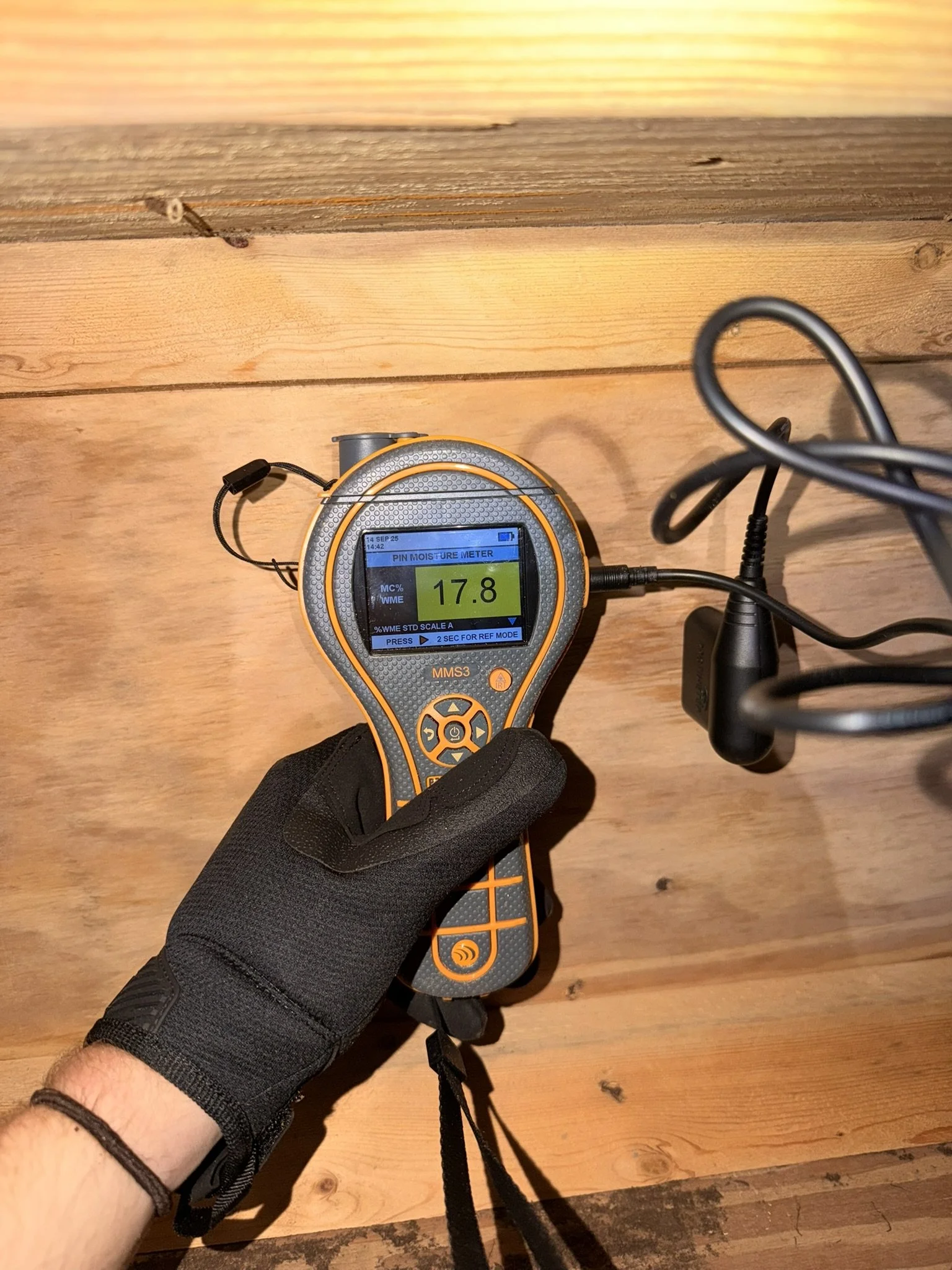
Sampling is not always necessary. Identifying the source of moisture and understanding the conditions supporting potential microbial growth are essential first steps.
Protecting Your Home from the Ground Up
In coastal Georgia, moisture management is a year-round responsibility.
Whether you live in a newer home or a house that has stood for generations, understanding conditions beneath your floors can help you identify problems before they become more extensive.
At Mangrove Air & Environmental, LLC, we help homeowners investigate moisture conditions, potential mold growth, and indoor air quality concerns.
Our goal is to provide objective information so you can make informed decisions about your property.
Noticing a musty odor or concerned about moisture beneath your home? Contact Mangrove Air & Environmental to discuss a professional assessment.
Proudly serving Savannah, Pooler, Richmond Hill, and surrounding coastal Georgia communities.
5 Hidden Moisture Problems Homeowners Shouldn’t Ignore This Fall
Fall brings cooler temperatures, changing weather, and a long list of home maintenance projects. Homeowners’ clean gutters, schedule HVAC servicing, and prepare outdoor spaces for the season.
But what about the moisture problems you can't easily see?
In Savannah and throughout coastal Georgia, humidity doesn't disappear when summer ends. Moisture can accumulate in hidden areas of a home, creating conditions that may support mold growth long before homeowners notice a problem.
Here are five areas worth checking as part of your fall home maintenance routine.
1. Attics and Roof Ventilation
Your attic may be out of sight, but moisture problems above your ceiling can eventually affect the living spaces below.
Roof leaks, improperly vented bathroom exhaust fans, air leakage from conditioned living spaces can introduce moisture into attic spaces or contribute to condensation.
What to watch for:
Water stains on roof decking or insulation
Damp or compressed insulation
Dark discoloration on wooden surfaces
Musty odors
Bathroom exhaust ducts that terminate inside the attic
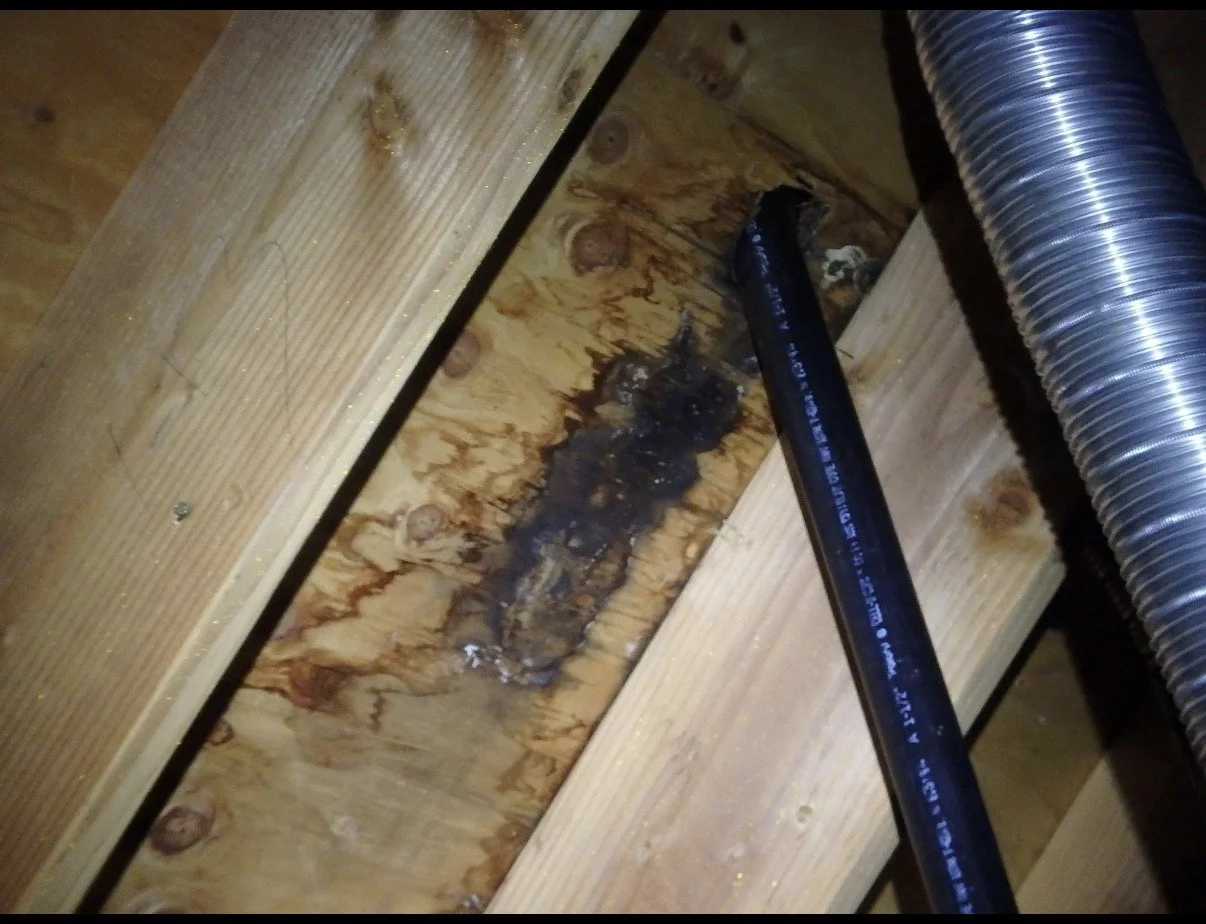
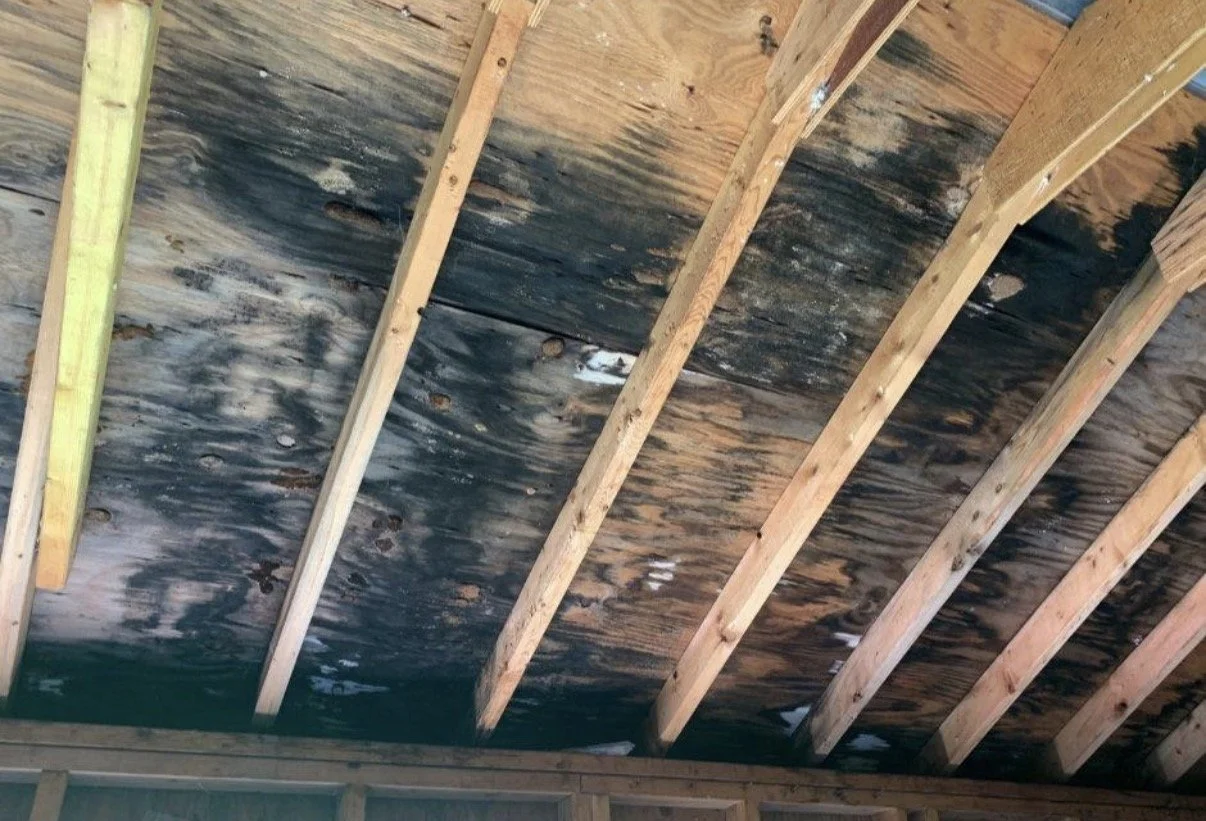
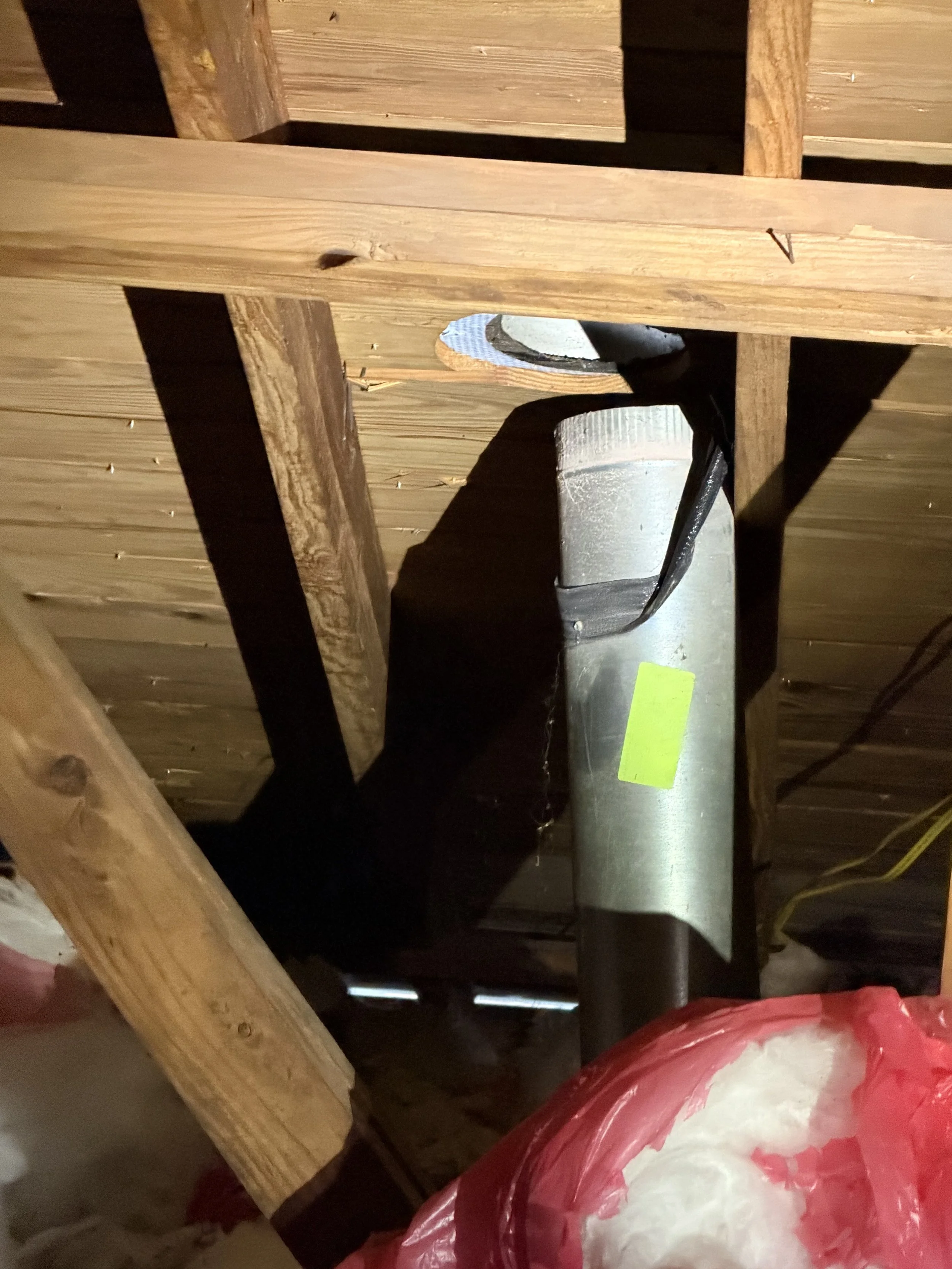
Examples of attic conditions that warrant further investigation, including roof-deck discoloration and ventilation concerns. Dark staining alone does not confirm mold growth.
Not every stain indicates mold, but unexplained discoloration or moisture deserves further investigation.
2. Bathroom Exhaust Fans
Bathrooms generate significant moisture from showers and baths. Exhaust fans help remove this humid air, but only when they are functioning and vented properly.
A bathroom exhausts fan that discharges into an attic rather than outdoors can introduce moisture into the attic space.
Crushed, disconnected, or obstructed ductwork can also reduce airflow and prevent effective moisture removal.
Homeowner tip: Run your bathroom exhaust fan during showers and for approximately 20 minutes afterward. Make sure the fan is working and that its duct terminates outdoors.
3. HVAC Systems and Condensation
Air conditioning systems remove moisture from indoor air, but condensation must drain properly.
Clogged condensate lines, leaking drain pans, poorly insulated ductwork, and air leaks around ducts can contribute to unwanted moisture.
In humid coastal environments, condensation may repeatedly develop on cold ductwork and other surfaces when humid air comes into contact with them.
What to watch for:
Water around indoor HVAC equipment
Damp insulation near ductwork
Musty odors when the system operates
Visible condensation on ducts or nearby surfaces
Routine HVAC maintenance is an important part of moisture prevention.
4. Windows, Exterior Walls, and Drainage
Moisture problems don't always start inside the home.
Improper drainage, damaged window seals, leaking exterior penetrations, and water collecting near foundations can introduce moisture into building materials.
Over time, these conditions may lead to staining, deterioration, and potential microbial growth.
Check that gutters and downspouts direct water away from the foundation and that vegetation isn't trapping moisture against exterior walls.
5. Crawl Spaces Beneath the Home
One area homeowner’s frequently overlook is the crawl space.
In coastal Georgia, outdoor humidity, exposed soil, poor drainage, and condensation can contribute to elevated moisture beneath a home.
Even when no standing water is visible, persistently damp conditions may affect wooden floor systems and create an environment favorable for mold growth.
Air movement between crawl spaces and occupied rooms can also carry moisture, odors, and airborne particles into the home.
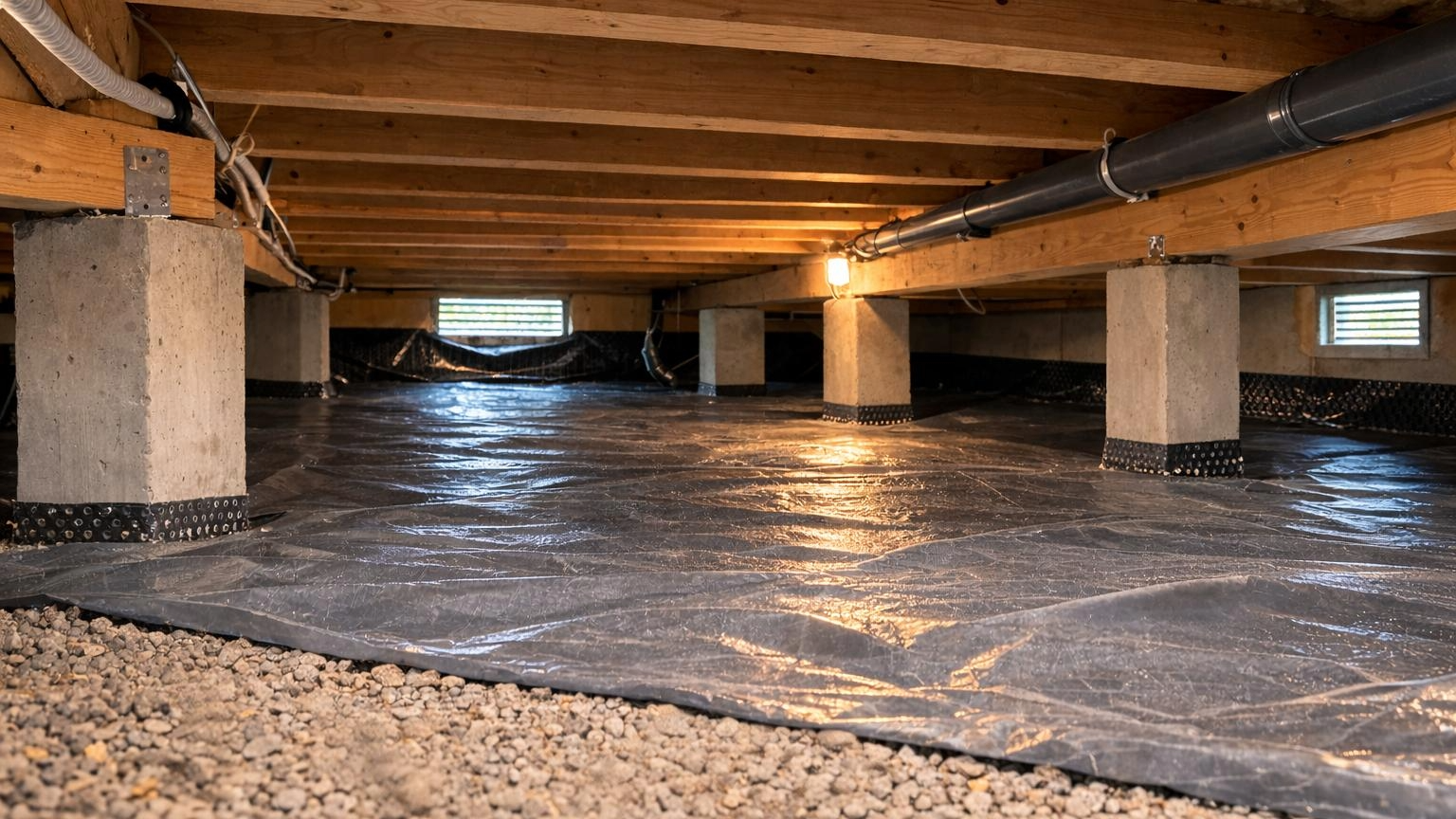
Example of good moisture management in a crawl space.
Next, we'll take a closer look at crawl spaces and why controlling moisture beneath your home is so important.
Don't Wait for Visible Mold
One of the biggest misconceptions about mold is that it must be visible to be a concern.
Moisture problems can develop behind walls, above ceilings, beneath flooring, and inside other concealed areas.
Musty odors, unexplained moisture, and recurring condensation may be early signs that further investigation is warranted.
At Mangrove Air & Environmental, LLC, we provide professional moisture and indoor air quality assessments to help homeowners identify environmental conditions that may contribute to mold growth.
Serving Savannah, Pooler, Richmond Hill, and surrounding coastal Georgia communities.
Concerned about hidden moisture or indoor air quality? Contact Mangrove Air & Environmental to schedule an assessment.
Above the Ceiling: What Our Attic Investigation Revealed
Part 3 of our Bathroom Exhaust Fan Mold Investigation
In the first two parts of our investigation, we explored the visible conditions around a bathroom exhaust fan, reviewed particulate measurements, and discussed the results of laboratory sampling.
But identifying microbial growth is only part of the investigation.
The next question is just as important: What conditions may have allowed the problem to develop?
Looking Beyond the Bathroom Ceiling
Our investigation took us into the attic, where we examined the ductwork connected to the bathroom exhaust fan.
Initially, we suspected that a large HVAC return duct is resting against the bathroom exhaust duct might be restricting airflow. However, the duct did not appear as compressed as originally suspected.
The most significant finding was something we hadn’t initially anticipated.
The bathroom exhaust duct was completely disconnected from the exhaust fan housing.
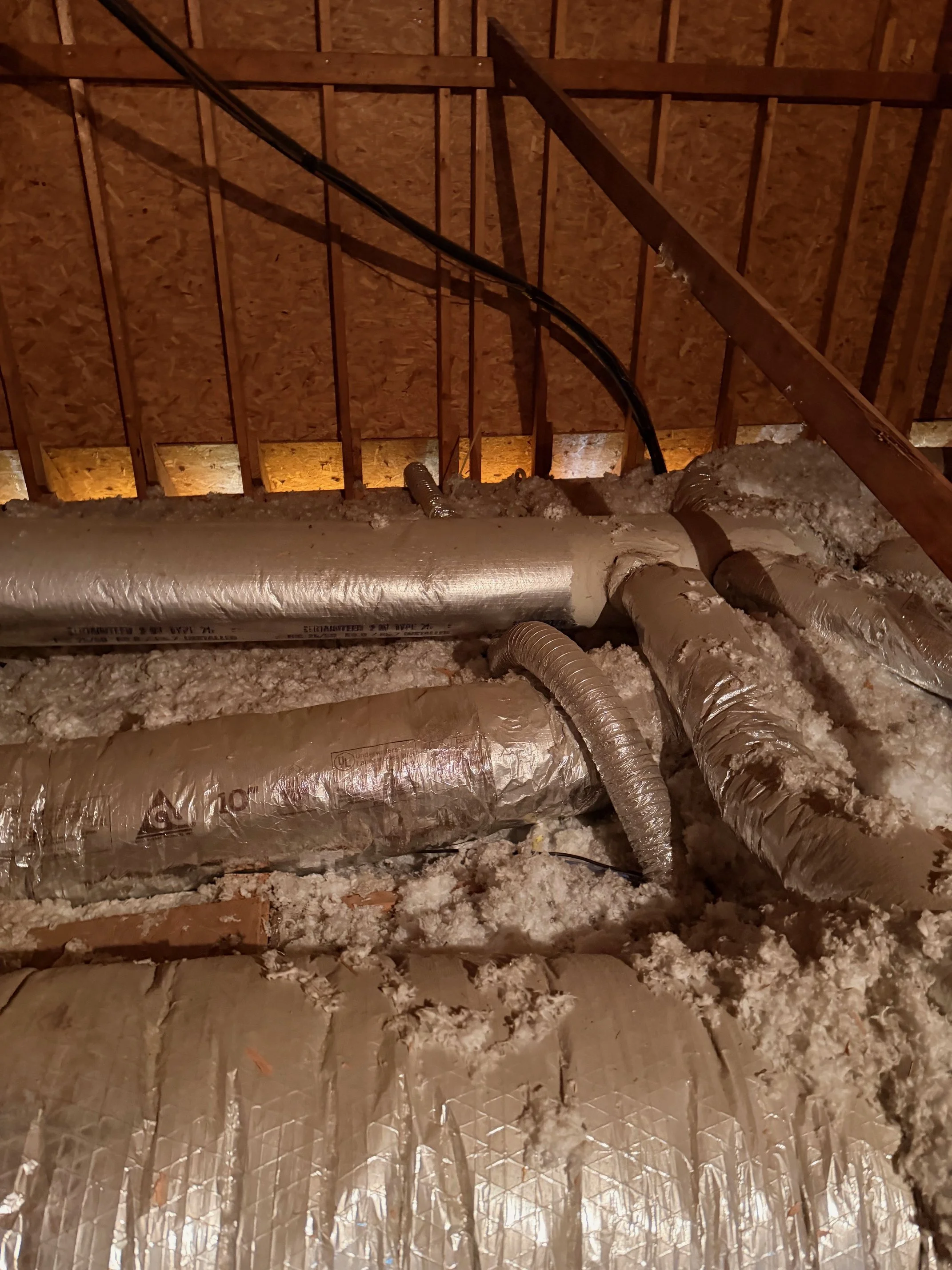
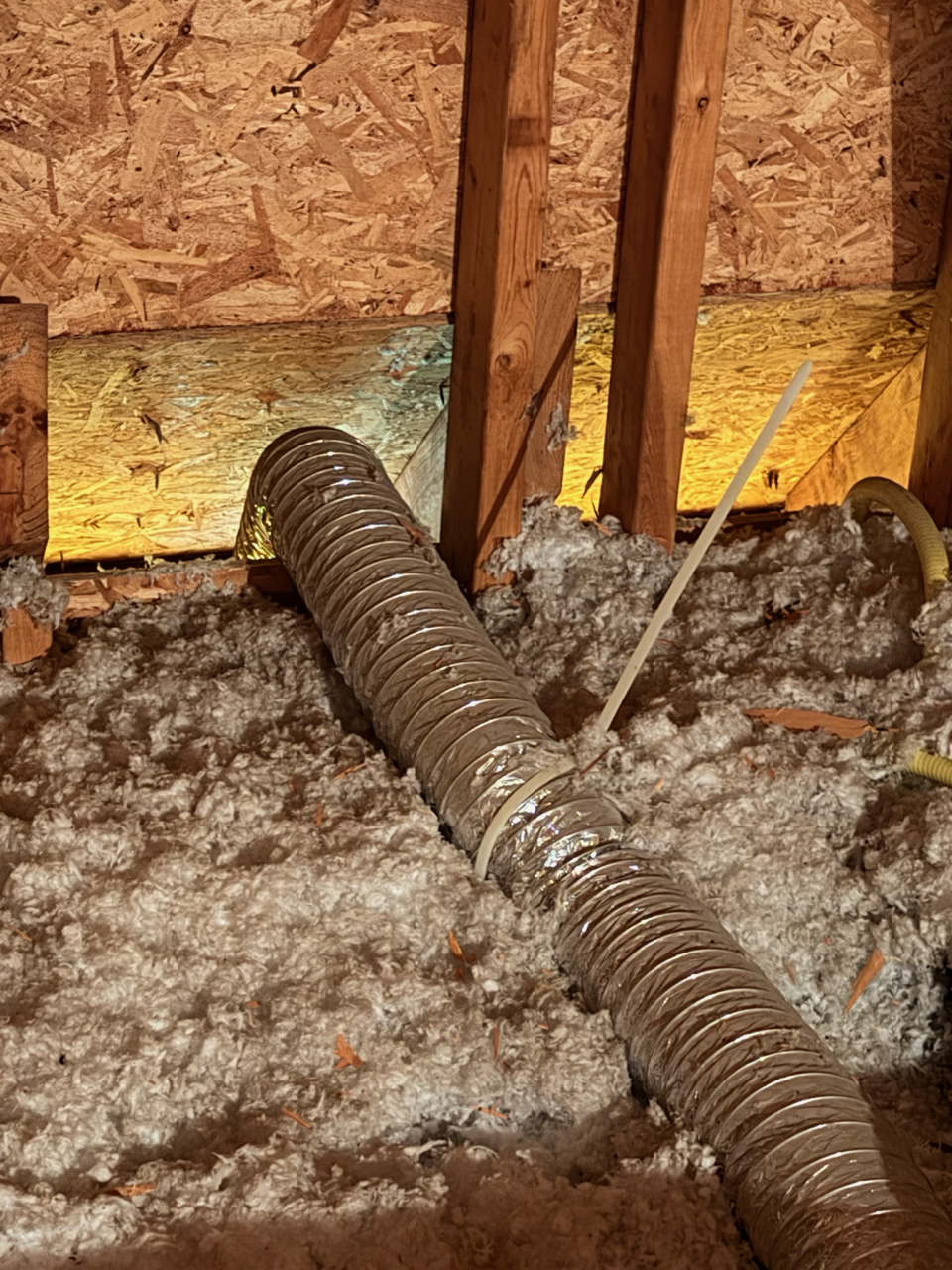
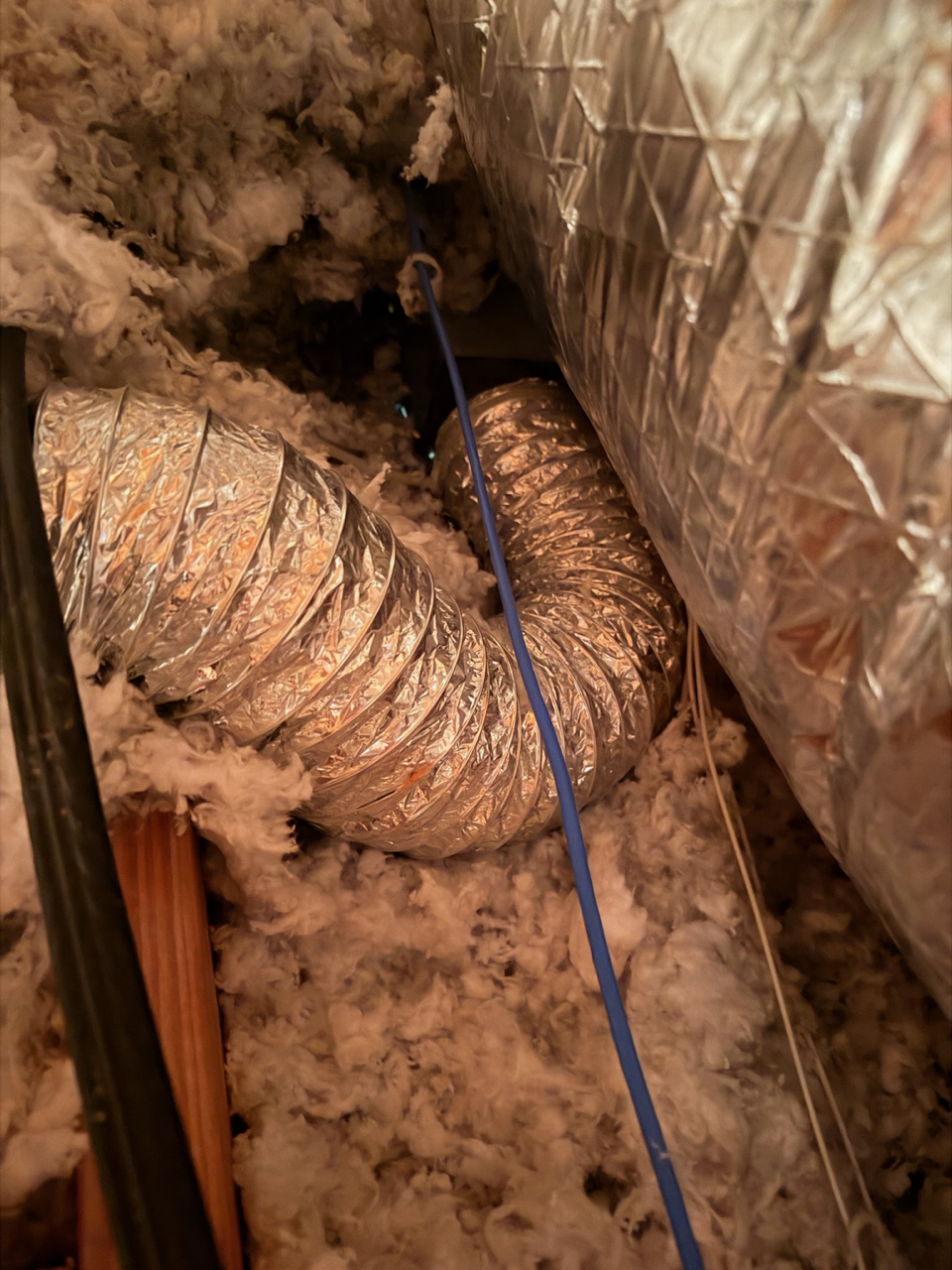
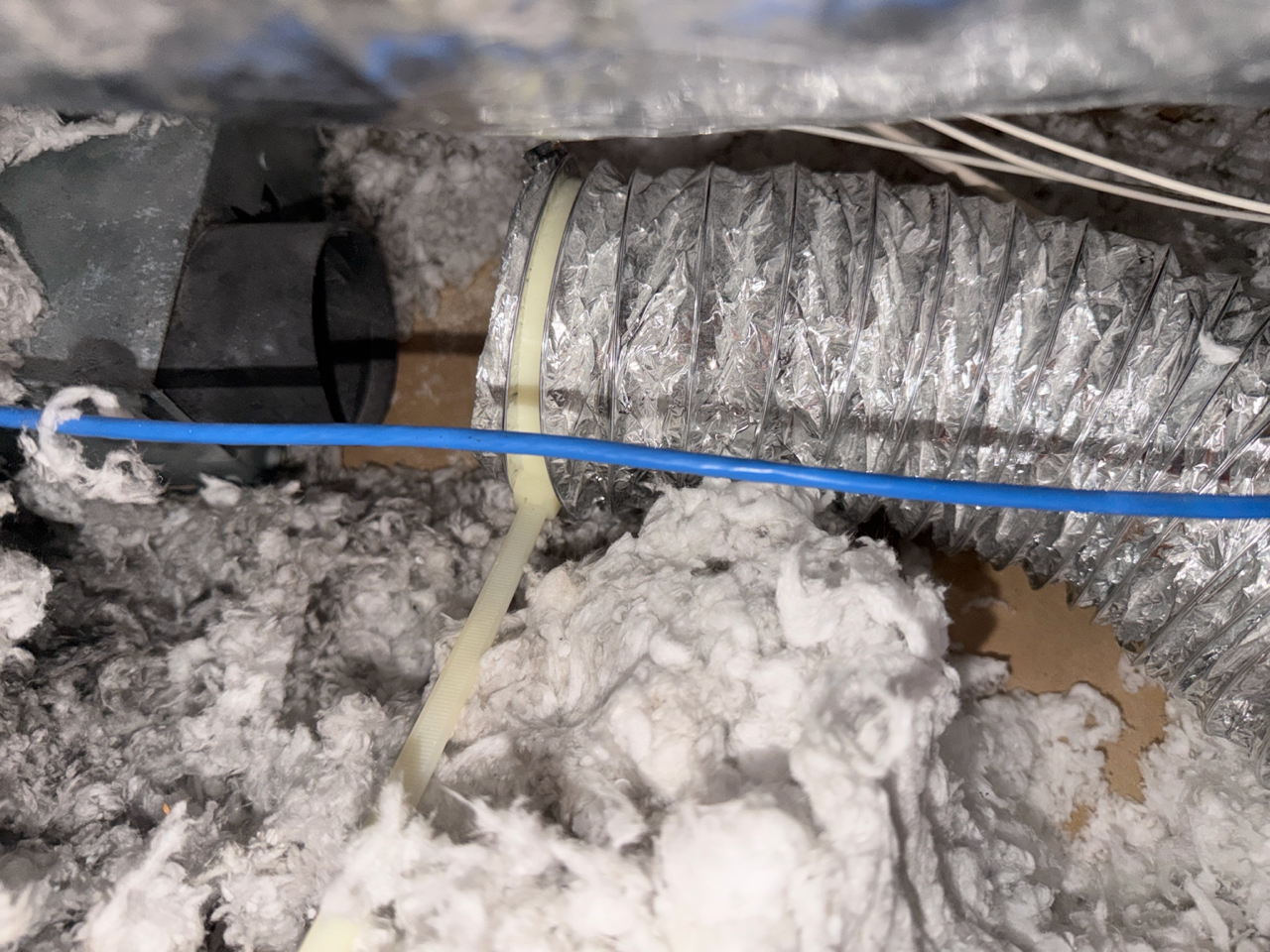
Photos from left to right: Overall attic ductwork, exhaust duct extending toward the soffit, a closer view of the duct beneath the larger HVAC duct, and the disconnected duct at the bathroom exhaust fan housing.
This condition could allow warm, moisture-laden air from the bathroom to discharge into the attic rather than being directed outdoors.
While this finding does not establish the exact cause of the microbial growth identified around the bathroom exhaust fan, it reveals a ventilation defect that warrants correction.
Why Proper Bathroom Ventilation Matters
Every hot shower introduces moisture into the bathroom. An appropriately installed and functioning exhaust fan helps remove that moisture and direct it outdoors.
When an exhaust duct becomes disconnected, obstructed, or improperly installed, the system may no longer remove humid air effectively.
Excess moisture can contribute to condensation on cooler surfaces, including ceilings and areas surrounding exhaust fan housings. When moisture persists, conditions may become favorable for microbial growth.
Our Findings and Recommendations
Based on our observations, we recommend having a qualified contractor:
Properly reconnect and secure the bathroom exhaust duct to the fan housing.
Inspect the ductwork for restrictions, damage, or improper installation.
Verify that the duct terminates outdoors through an appropriate exterior vent.
Confirm that the exhaust fan is moving air effectively.
Evaluate surrounding materials for moisture-related damage and address any identified concerns.
The Importance of Looking Beyond Visible Mold
What began as an investigation of suspected mold around a bathroom exhaust fan led us to discover a ventilation issue hidden above the ceiling.
This case illustrates why identifying microbial growth is only one part of an indoor environmental assessment. Understanding the conditions that may have contributed to its development is equally important.
Mangrove Air & Environmental, LLC provides professional moisture, mold, and indoor air quality assessments in Savannah, Pooler, Richmond Hill, and surrounding coastal Georgia communities.
Concerned about moisture or suspected mold in your home? Contact Mangrove Air & Environmental to discuss scheduling an assessment.
Mold on the Bathroom Ceiling: What Did the Lab Results Reveal?
Part 2: From Visual Inspection to Laboratory Results
In our previous blog, we introduced a bathroom ceiling with suspicious discoloration surrounding the exhaust fan.
Was it simply staining from years of bathroom humidity, or was there actual mold growing on the ceiling?
To find out, we took a closer look.
Step 1: The Visual Inspection
Our investigation began with visible discoloration around the bathroom exhaust fan.
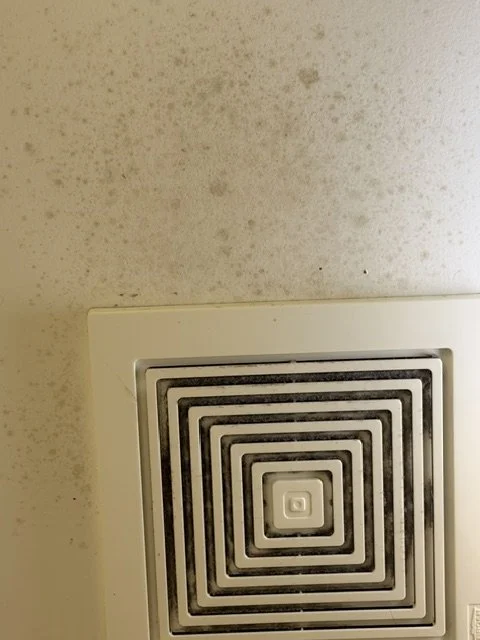
Bathrooms are naturally humid environments, especially during and after showers. When warm, moisture-laden air isn’t effectively removed, it can accumulate on cooler surfaces such as ceilings and walls.
Over time, persistent moisture can create conditions favorable for mold growth.
The location of the discoloration raised an important question:
Was the bathroom exhaust system effectively removing moisture from the room?
But before drawing conclusions, we needed additional information.
Step 2: Measuring Airborne Particles
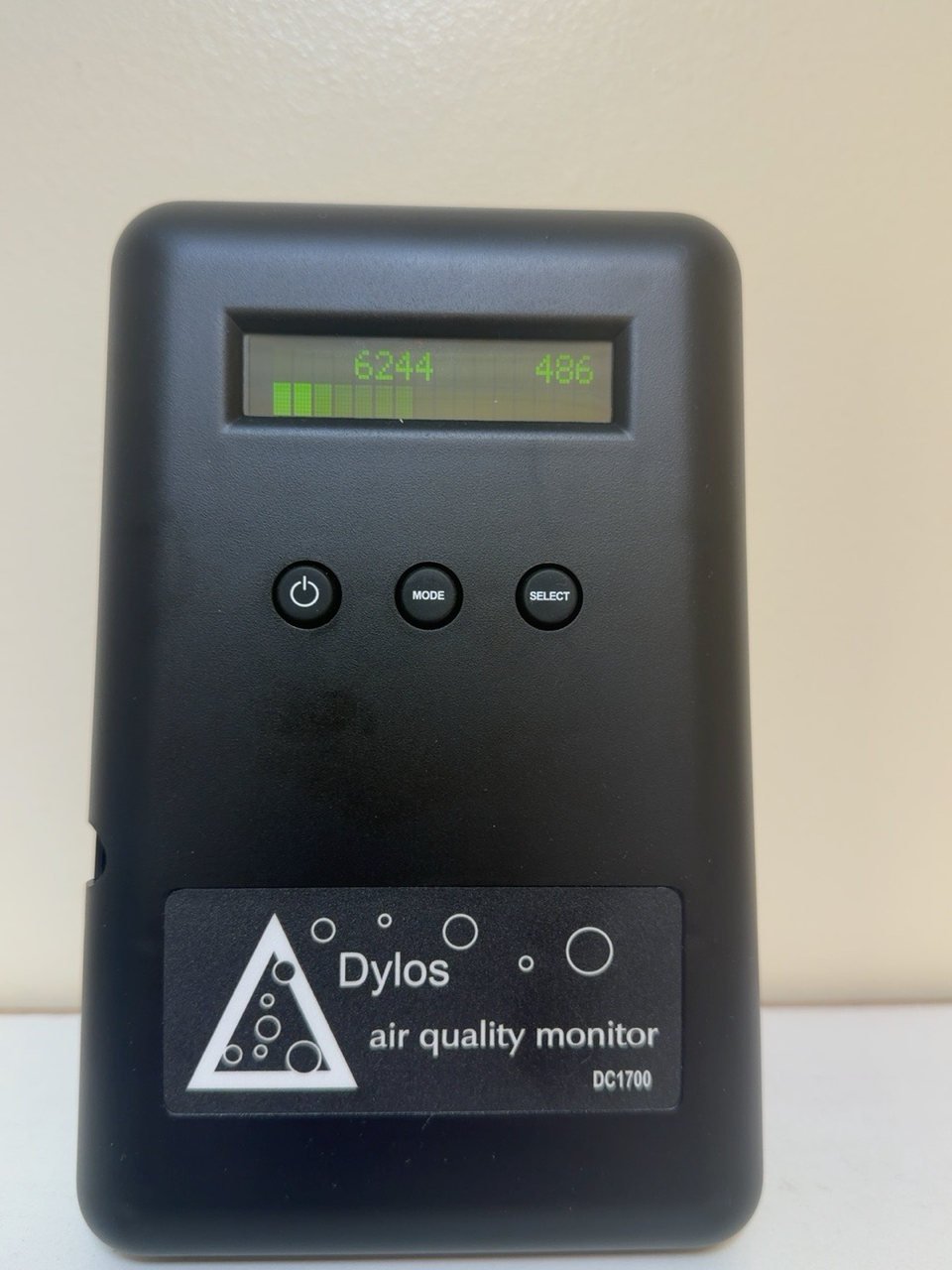
As part of the initial assessment, we used a Dylos DC1700 air quality monitor to measure airborne particles in the bathroom.
The instrument displayed the following readings:
Small particle count: 6,244
Large particle count: 486
These measurements provide information about particles suspended in the air, including dust, pollen, animal dander, human skin cells, and other airborne material.
Step 3: Collecting Air and Surface Samples
We collected two different types of samples:
Air Sample
An air sample was collected from the bathroom to identify and quantify airborne fungal spores. Samples from other locations, including outdoors, provided additional information for comparison.
Surface Swab
A swab sample was collected directly from the discolored area of the bathroom ceiling.
Surface sampling helps determine whether suspected discoloration represents actual fungal growth.
Both samples were submitted to an independent laboratory for analysis.
Step 4: What Did the Laboratory Results Reveal?
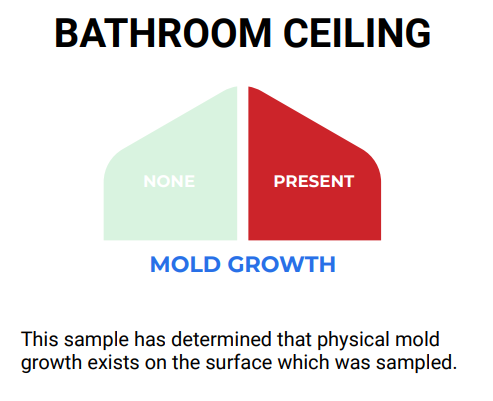
Laboratory surface sample result
Surface Sample: Mold Growth Confirmed
The bathroom ceiling swab identified Cladosporium, with the laboratory reporting light fungal growth.
Cladosporium is commonly found in outdoor environments but can also grow indoors when moisture conditions are favorable.
Air Sample: A Different Picture
The bathroom air sample produced the following results:
Measurement Bathroom
Total fungal spores 200 spores/cubic meter
Aspergillus/Penicillium 187 spores/cubic meter
Basidiospores 13 spores/cubic meter
The outdoor sample contained 10,053 total fungal spores/cubic meter which was much higher than the bathroom sample at the time of testing.
At first, these results may seem confusing. If mold was growing on the ceiling, why were the indoor air readings lower than the outdoor readings?
The answer is that the two samples measured different things. The surface swab showed that mold was growing on a specific are of the ceiling. The air sample showed how many fungal spores were floating in the bathroom during the sampling period.
Mold growing on a surface does not always release enough spores to noticeably affect a single air sample. Air results can also change depending on ventilation, recent activity, humidity, and other conditions. Although the total indoor spore concentration was lower than outdoors, this comparison alone cannot determine whether and indoor mold condition exists.
Together, the visual inspection, particle readings, air sample, and surface sample gave us a more complete understanding of the situation. The surface sample confirmed mold growth, while the air sampled showed that airborne spore levels in the bathroom were lower than those measured outdoors at the time.
There is no single universally accepted number that determines whether an indoor mold level is safe or unsafe. Test results must be considered along with the conditions of the building and the possible moisture source.
Step 5: Looking Beyond the Mold
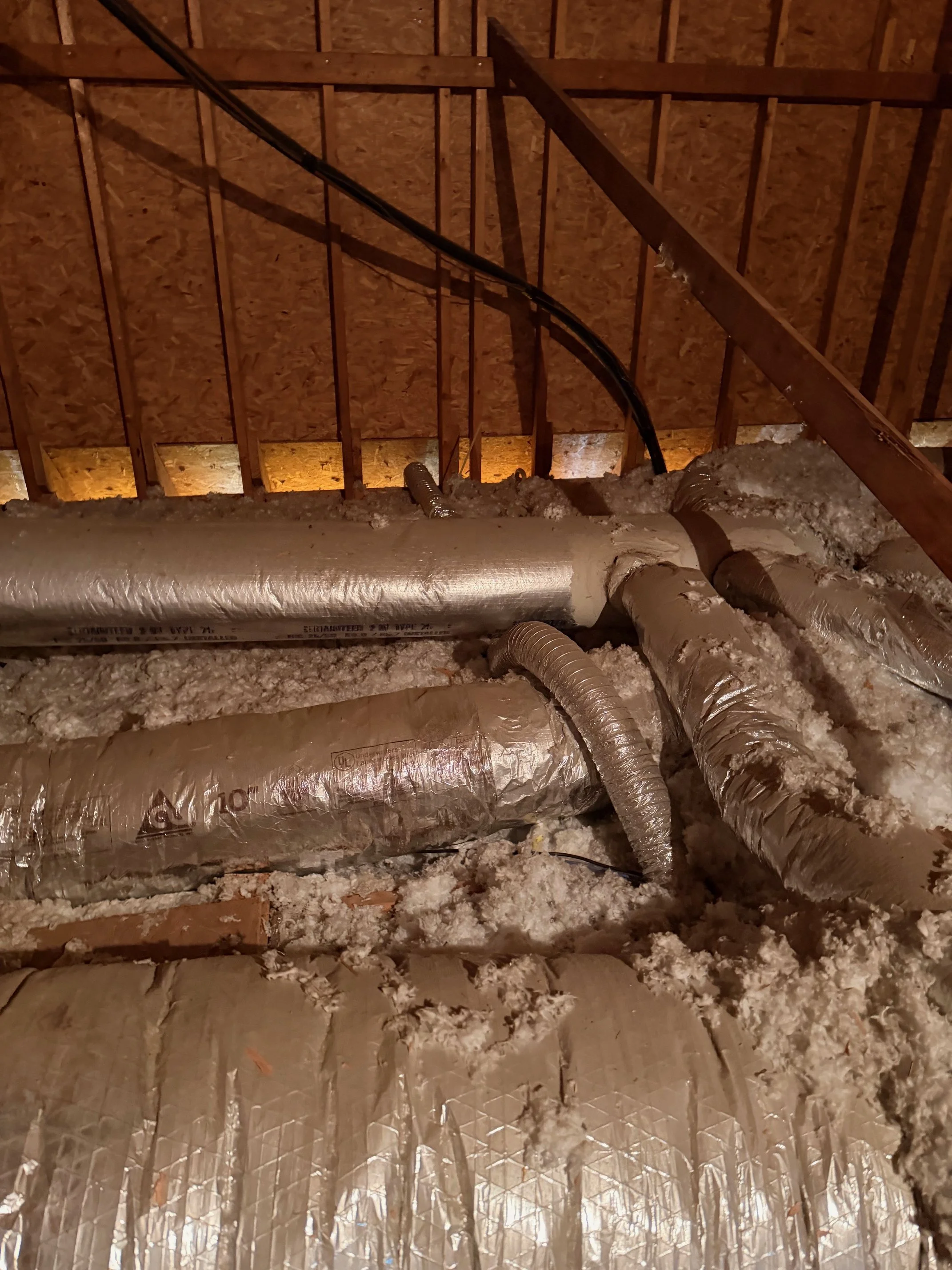
Confirming mold growth answered one question, but id did not explain why the mold developed. To find that answer, we investigated the bathroom’s ventilation system.
Because the growth surrounded the exhaust fan, we examined the fan’s ductwork in the attic. The flexible duct followed a complicated path around larger HVAC ducts. It passed beneath one duct, over another and beneath additional ductwork before reaching its termination point at the soffit.
This type of routing may restrict airflow and reduce the fan’s ability to remove humid air from the bathroom.
A dehumidifier has since been used to dry the affected drywall. The next steps are to address the mold growth and evaluate the exhaust system for possible improvements.
Why Finding the Moisture Source Matters
Cleaning or repairing mold-damaged materials without correcting the moisture problem can allow mold to return.
That is why a complete investigation looks beyond the visible growth. It also considers how moisture entered the area, whether ventilation is working properly, and what changes may help prevent the problem from happening again.
At Mangrove Air & Environmental, LLC, our goal is to help homeowners understand both whether mold is present and what conditions may be contributing to it.
Coming Next: What’s Happening in the Attic?
In Part 3, we’ll take a closer look at the bathroom exhaust duct, explain why its routing matters, and discuss steps that may improve moisture removal.
Mangrove Air & Environmental, LLC provides professional mold assessments and indoor air quality testing throughout Savannah and surrounding communities.
Concerned about mold, moisture, or indoor air quality in you home? Contact us to schedule an assessment.
Cooler Weather Doesn't Mean Moisture Problems Disappear
A fall home maintenance checklist for coastal Georgia homeowners
October brings a welcome change to coastal Georgia. Temperatures begin to moderate, outdoor activities become more comfortable, and homeowners look forward to giving their air conditioners a break.
But there's one thing Savannah homeowners shouldn't forget: moisture problems don't disappear just because summer is ending.
Humidity Doesn't Follow the Calendar
Even during cooler months, coastal Georgia can experience periods of high humidity.
Indoor moisture can come from several sources, including plumbing leaks, inadequate ventilation, condensation, and water entering from outside the home.
And when moisture remains trapped in building materials, conditions may become favorable for mold growth.
Five Things to Check Around Your Home This Fall
1. Inspect your windows and doors
Look for condensation, water stains, deteriorating seals, or soft materials around window frames and door thresholds.
2. Check your gutters and downspouts
Leaves and debris can prevent water from draining properly. Make sure downspouts direct water away from the foundation.
3. Look beneath sinks and around plumbing
Small, unnoticed leaks can cause significant moisture damage over time. Check for staining, damp cabinets, and deteriorating materials.
4. Monitor indoor humidity
A small digital hygrometer can help you keep track of moisture levels inside your home. Aim for 30%–50% relative humidity when practical.
5. Inspect areas with limited airflow
Closets, storage rooms, and areas behind furniture along exterior walls may receive less air circulation. Watch for dampness, condensation, or musty odors.
Don't Forget Bathroom Ventilation
Bathrooms are especially vulnerable to moisture accumulation because of showers, baths, and other activities that introduce water vapor into the air.
An exhaust fan that is undersized, poorly maintained, or not venting properly may allow excess humidity to linger.
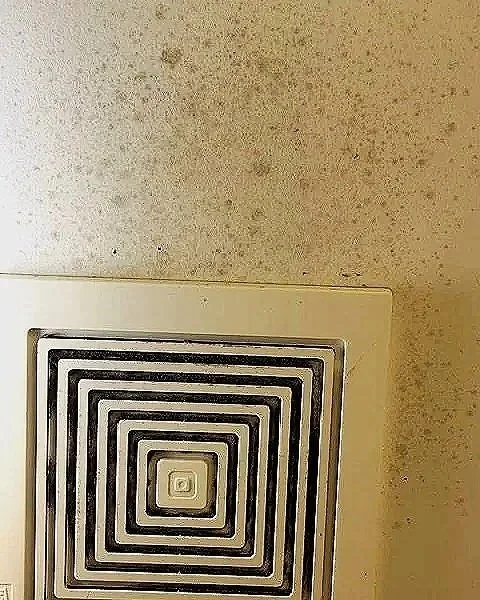
Dark spotting around a bathroom exhaust fan can be a warning sign of moisture or ventilation problems. but what’s really happening above the ceiling? In an upcoming Mangrove Air case study, we’ll share what we discovered during an actual residential investigation.
Homeowners should make sure bathroom exhaust fans discharge outdoors and operate during showers and for approximately 20 minutes afterward.
Why Early Detection Matters
One of the most important things homeowners can do is address moisture problems promptly.
The Environmental Protection Agency recommends drying wet building materials within 24–48 hours, when possible, to help prevent mold growth.
Identifying and correcting the source of moisture is essential. Simply cleaning or covering a stain without addressing the underlying problem may allow the issue to return.
Not Every Moisture Problem Is a Mold Problem
Finding damp materials doesn't automatically mean mold is present.
A professional assessment can help evaluate moisture conditions, document observations, and determine whether additional investigation or sampling is appropriate.
At Mangrove Air & Environmental, LLC, we believe homeowners deserve clear, objective information about their indoor environment.
Our assessments focus on identifying potential concerns and helping homeowners understand appropriate next steps.
Protect Your Home This Fall
A little preventive maintenance today can help avoid more expensive moisture problems in the future.
If you've discovered unexplained dampness, recurring odors, or other indoor air quality concerns, Mangrove Air & Environmental is here to help.
Proudly serving homeowners throughout the greater Savannah area.
What’s Hiding in Your HVAC System?
Why Changing you air filter may not be the protection you think…
Most homeowners know they should change their HVAC filters regularly. But have you ever wondered what is happening inside the rest of your heating and cooling system?
In coastal Georgia, where high humidity is a part of everyday life, your HVAC system does more than keep your home comfortable. It also plays an important role in controlling indoor moisture.
More Than Just Dust
Your HVAC system circulates air throughout your home. Along the way, dust, pollen, and other airborne particles can accumulate in filters and internal system components.
Cooling systems also produce condensation as they remove moisture from the air. When functioning properly, that water drains away. However, clogged filters, blocked condensation lines, dirty drain pans, or other moisture problems can create conditions that support microbial growth.
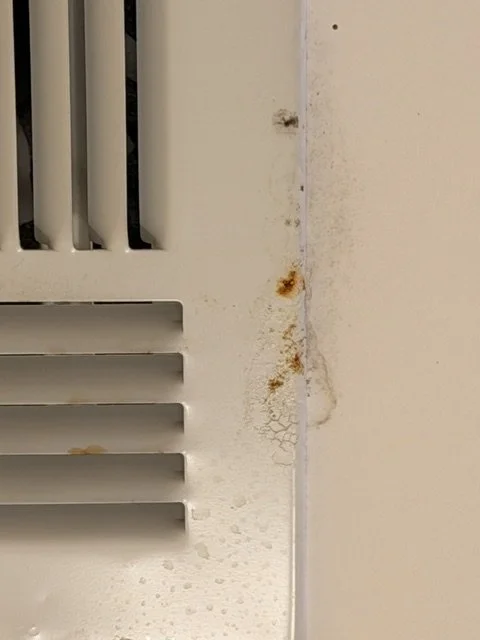
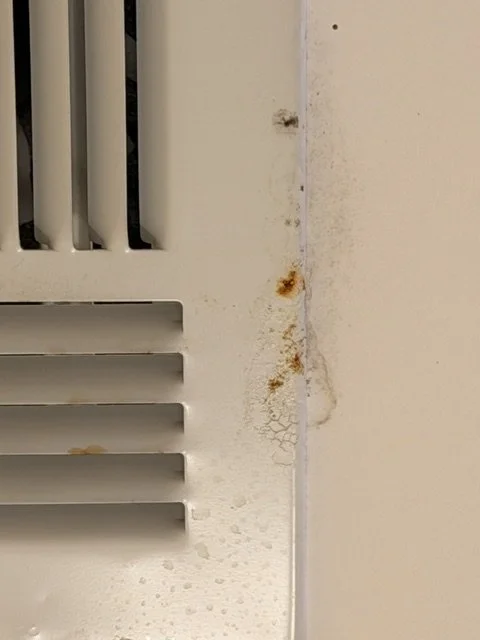
Discoloration and staining around this bathroom HVAC register may indicate moisture-related conditions that deserve further investigation.
Signs Worth Investigating
Pay attention to these potential warning signs:
· Musty odors when your air conditioning starts
· Visible moisture or staining around vents
· Condensation on supply registers or nearby surfaces
· Recurring water around the air handler
· Persistent indoor humidity despite running your air conditioner
What Can Homeowners Do?
Regular HVAC maintenance is on of the best preventive steps you can take.
Replace air filters according to the manufacture’s recommendations, schedule professional system maintenance, and make sure condensate drain lines remain clear.
Consider purchasing an inexpensive indoor humidity monitor. Ideally, indoor relative humidity should remain between 40% and 60%.
When Should You Consider an Indoor Air Quality Assessment?
If you’ve noticed persistent odors, unusual moisture, or other concerns that routine HVAC maintenance hasn’t resolved, an independent assessment can help identify areas needing further investigation.
At Mangrove Air & Environmental, LLC, we provide residential indoor air quality and mold assessments, including appropriate air and surface sampling, moisture evaluations and environmental observations.
Concerned about your home’s indoor air quality?
Contact Mangrove Air & Environmental to discuss whether an assessment is appropriate for your situation.
Serving Savannah, Pooler, Richmond Hill, Skidaway Island, Tybee Island, and surrounding communities.
Savannah Humidity and Your Home: Why Indoor Moisture Matters
Living in coastal Georgia means humidity is part of everyday life.
Even when temperatures begin to cool in the fall, Savannah can remain warm and humid. Outdoors, that may simply feel uncomfortable. Inside your home, however, persistent moisture can contribute to indoor air quality problems and create conditions that may eventually support mold growth.
Moisture Doesn't Always Start Inside the House
When homeowners find dampness indoors, it’s easy to assume the problem is a plumbing leak, an HVAC issue or mold.
But sometimes the source begins outside the home.
Water can collect around a foundation when:
landscaping materials are built up too high against the house
shrubs or vegetation are growing directly against exterior walls
gutters are clogged
downspouts discharge too close to the foundation
drainage allows rainwater to repeatedly collect along the home
Over time, that moisture can affect building materials inside.
A Real-World Example
During a recent assessment, we found an area of a home with visible evidence of moisture intrusion
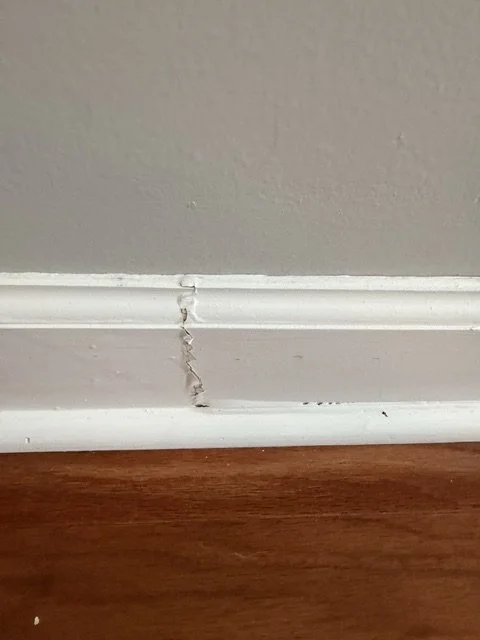
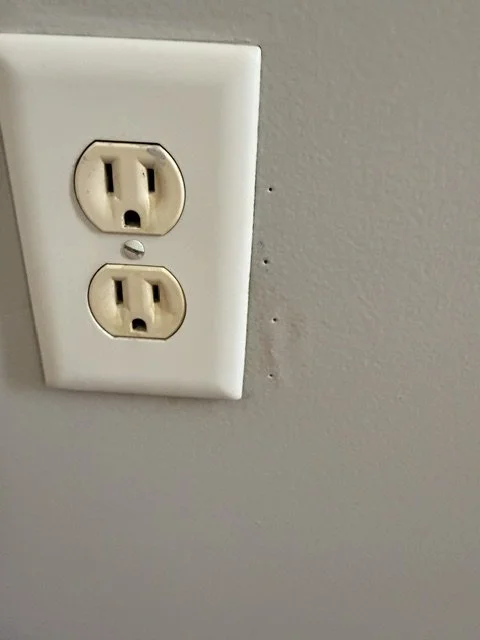
Moisture readings reached the upper limit of the moisture meter, indicating extremely elevated moisture in the affected area.
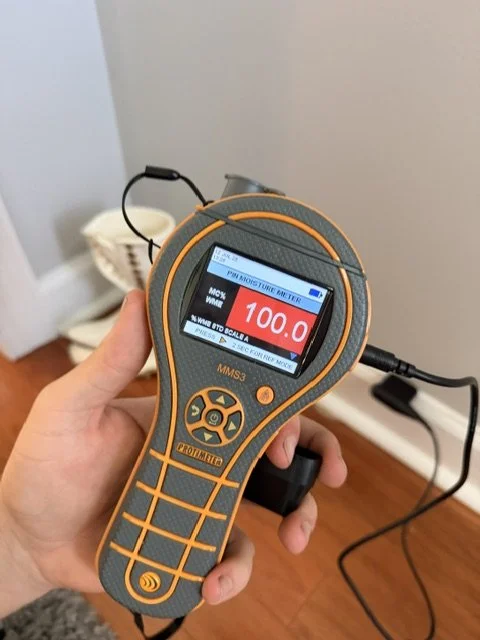
With conditions that wet, mold was an obvious concern.
However, sampling from the affected area did not indicate a moldy environment requiring remediation.
That was important.
Instead of assuming that moisture automatically meant mold, we looked at why the area was wet in the first place.
Outside the home, several contributing conditions were present:
landscaping materials had been installed too high against the foundation
shrubs were growing directly against the house
gutters were clogged
gutter discharge was not directing rainwater away from the foundation
Together, these conditions were allowing water to stand against the home’s foundation.
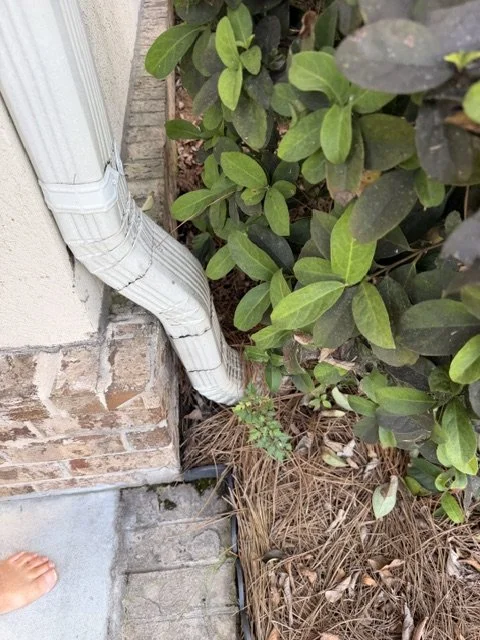
The Solution Was Moisture Control — Not Mold Remediation
The homeowner corrected the exterior drainage and landscaping issues and began using dehumidifiers in the affected rooms to bring the moisture levels down.
Because sampling did not show a mold condition requiring remediation, mold remediation was not recommended.
That distinction matters.
Not every moisture problem requires mold remediation.
But every significant moisture problem deserves attention, because if damp materials remain wet long enough, conditions can become favorable for microbial growth.
What Should Indoor Humidity Be?
In general, indoor relative humidity should be kept below about 60%, with many homes most comfortable between approximately 30% and 50%.
A single high humidity reading doesn't automatically mean there's a mold problem. What concerns us more is persistent moisture, especially when it affects building materials.
That's why an indoor environmental assessment should look at more than an air sample.
We Look at the Whole Picture
At Mangrove Air & Environmental, an assessment may include:
indoor and outdoor humidity measurements
moisture readings in building materials
thermal imaging
visible evidence of water intrusion
HVAC conditions
exterior conditions that may be contributing to moisture
targeted air or surface sampling when appropriate
The goal isn't simply to ask:
“Is there mold?”
Sometimes the more important question is:
“Why is this area wet, and what needs to be corrected?”
In the case above, identifying the moisture source allowed the homeowner to make relatively straightforward corrections instead of undergoing unnecessary mold remediation.
Your Home May Be Giving You Clues
Watch for:
musty odors
condensation on windows or HVAC registers
damp-feeling rooms
warped baseboards or flooring
bubbling or peeling paint
water staining
recurring moisture after heavy rain
If the problem keeps coming back, finding the source is more important than simply drying the visible area.
In coastal Georgia, moisture management is an important part of maintaining a healthy indoor environment.
Mangrove Air & Environmental provides independent mold and indoor air quality assessments throughout the Savannah area. If you are dealing with unexplained moisture, musty odors, or concerns about your indoor environment, we can help identify what may be contributing to the problem.
That Musty Smell in Your Home? Don't Ignore It

Rainy day in Savannah, GA
Fall may be arriving in Savannah, but that doesn’t necessarily mean the humidity has left with summer.
In coastal Georgia, warm temperatures and high humidity can linger well into the fall. After months of air conditioners working hard to control both temperature and moisture, homeowners may begin to notice a musty or mildew-like odor inside the home.
A persistent musty smell is worth investigating.
What Causes a Musty Smell"?
Musty odors are often associated with excess moisture and microbial growth, but the source isn’t always obvious.
Moisture can collect in areas such as:
HVAC systems and ductwork
Around windows and exterior doors
Bathrooms and laundry rooms
Attics and crawls spaces
Behind walls or baseboards
Beneath flooring
Areas affected by previous plumbing or roof leaks
Sometimes there is visible discoloration or damage. Other times, the home may look perfectly normal.
That’s why simply trying to cover the odor with air fresheners, candles, or stronger cleaning products doesn’t address the underlying cause. Savannah’s Climate Creates Unique Challenges
Our hot, humid coastal climate creates ideal conditions for moisture problems.
When humid outdoor air enters a cooler home, moisture can condense on certain surfaces. HVAC systems also remove significant amounts of moisture from the air, so drainage problems, dirty components, poor airflow, or excessive indoor humidity can contribute to indoor air quality concerns.
Even a small leak or moisture problem can become significant if it continues unnoticed.
Does a Musty Smell Automatically Mean Mold?
No.
A musty odor alone cannot tell you whether mold is present, what type may be present, or where it is located.
An indoor environmental assessment looks for the reason the odor is occurring rather than simply assuming mold is the cause.
Depending on the situation, an assessment may include:
Indoor relative humidity readings
Moisture measurements
Thermal imaging
Visual inspection of accessible areas
HVAC inspection
Evaluation of areas with previous water damage
Air or surface sampling when appropriate
The goal is to gather information that can help identify the source of the problem and determine what steps should come next.
Why Finding the Moisture Source Matters
Cleaning visible mold without correcting the moisture source may only provide a temporary solution.
If moisture continues, conditions that allowed microbial growth can return.
That’s why a good assessment focuses not only on what is present, but also on why it developed in the first place.
Concerned About the Air in Your Home?
Contact Mangrove Air & Environmental, LLC to schedule an independent mold and indoor air quality assessment in the Savannah area.
Our goal is simple: identify potential moisture and indoor environmental concerns and give homeowners clear information about the findings.