Living in coastal Georgia means humidity is part of everyday life.
Even when temperatures begin to cool in the fall, Savannah can remain warm and humid. Outdoors, that may simply feel uncomfortable. Inside your home, however, persistent moisture can contribute to indoor air quality problems and create conditions that may eventually support mold growth.
Moisture Doesn't Always Start Inside the House
When homeowners find dampness indoors, it’s easy to assume the problem is a plumbing leak, an HVAC issue or mold.
But sometimes the source begins outside the home.
Water can collect around a foundation when:
landscaping materials are built up too high against the house
shrubs or vegetation are growing directly against exterior walls
gutters are clogged
downspouts discharge too close to the foundation
drainage allows rainwater to repeatedly collect along the home
Over time, that moisture can affect building materials inside.
A Real-World Example
During a recent assessment, we found an area of a home with visible evidence of moisture intrusion
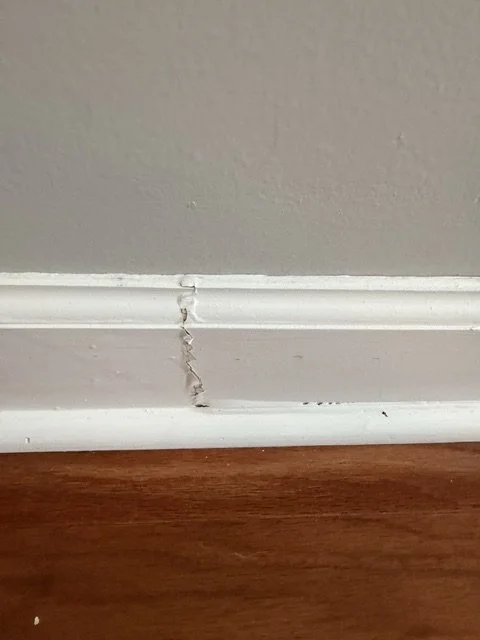
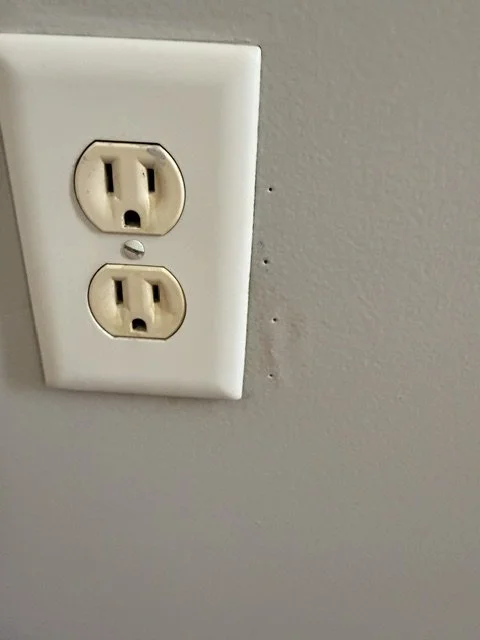
Moisture readings reached the upper limit of the moisture meter, indicating extremely elevated moisture in the affected area.
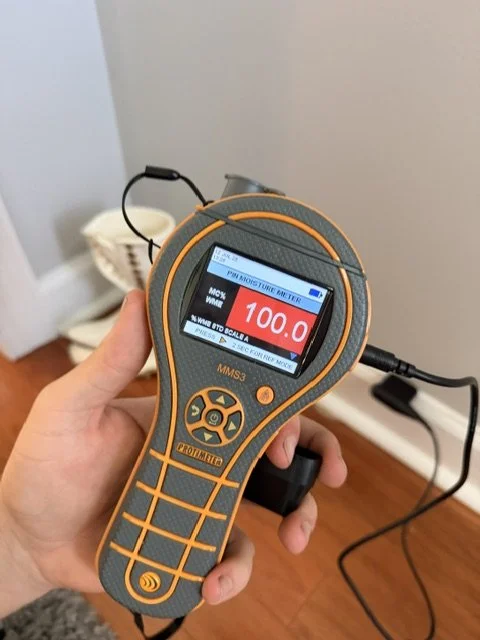
With conditions that wet, mold was an obvious concern.
However, sampling from the affected area did not indicate a moldy environment requiring remediation.
That was important.
Instead of assuming that moisture automatically meant mold, we looked at why the area was wet in the first place.
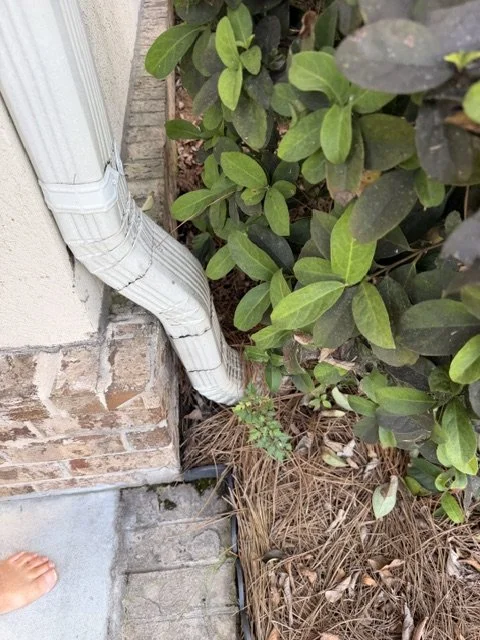
Outside the home, several contributing conditions were present:
landscaping materials had been installed too high against the foundation
shrubs were growing directly against the house
gutters were clogged
gutter discharge was not directing rainwater away from the foundation
Together, these conditions were allowing water to stand against the home’s foundation.
The Solution Was Moisture Control — Not Mold Remediation
The homeowner corrected the exterior drainage and landscaping issues and began using dehumidifiers in the affected rooms to bring the moisture levels down.
Because sampling did not show a mold condition requiring remediation, mold remediation was not recommended.
That distinction matters.
Not every moisture problem requires mold remediation.
But every significant moisture problem deserves attention, because if damp materials remain wet long enough, conditions can become favorable for microbial growth.
What Should Indoor Humidity Be?
In general, indoor relative humidity should be kept below about 60%, with many homes most comfortable between approximately 30% and 50%.
A single high humidity reading doesn't automatically mean there's a mold problem. What concerns us more is persistent moisture, especially when it affects building materials.
That's why an indoor environmental assessment should look at more than an air sample.
We Look at the Whole Picture
At Mangrove Air & Environmental, an assessment may include:
indoor and outdoor humidity measurements
moisture readings in building materials
thermal imaging
visible evidence of water intrusion
HVAC conditions
exterior conditions that may be contributing to moisture
targeted air or surface sampling when appropriate
The goal isn't simply to ask:
“Is there mold?”
Sometimes the more important question is:
“Why is this area wet, and what needs to be corrected?”
In the case above, identifying the moisture source allowed the homeowner to make relatively straightforward corrections instead of undergoing unnecessary mold remediation.
Your Home May Be Giving You Clues
Watch for:
musty odors
condensation on windows or HVAC registers
damp-feeling rooms
warped baseboards or flooring
bubbling or peeling paint
water staining
recurring moisture after heavy rain
If the problem keeps coming back, finding the source is more important than simply drying the visible area.
In coastal Georgia, moisture management is an important part of maintaining a healthy indoor environment.
Mangrove Air & Environmental provides independent mold and indoor air quality assessments throughout the Savannah area. If you are dealing with unexplained moisture, musty odors, or concerns about your indoor environment, we can help identify what may be contributing to the problem.