Fall brings cooler temperatures, changing weather, and a long list of home maintenance projects. Homeowners’ clean gutters, schedule HVAC servicing, and prepare outdoor spaces for the season.
But what about the moisture problems you can't easily see?
In Savannah and throughout coastal Georgia, humidity doesn't disappear when summer ends. Moisture can accumulate in hidden areas of a home, creating conditions that may support mold growth long before homeowners notice a problem.
Here are five areas worth checking as part of your fall home maintenance routine.
1. Attics and Roof Ventilation
Your attic may be out of sight, but moisture problems above your ceiling can eventually affect the living spaces below.
Roof leaks, improperly vented bathroom exhaust fans, air leakage from conditioned living spaces can introduce moisture into attic spaces or contribute to condensation.
What to watch for:
Water stains on roof decking or insulation
Damp or compressed insulation
Dark discoloration on wooden surfaces
Musty odors
Bathroom exhaust ducts that terminate inside the attic
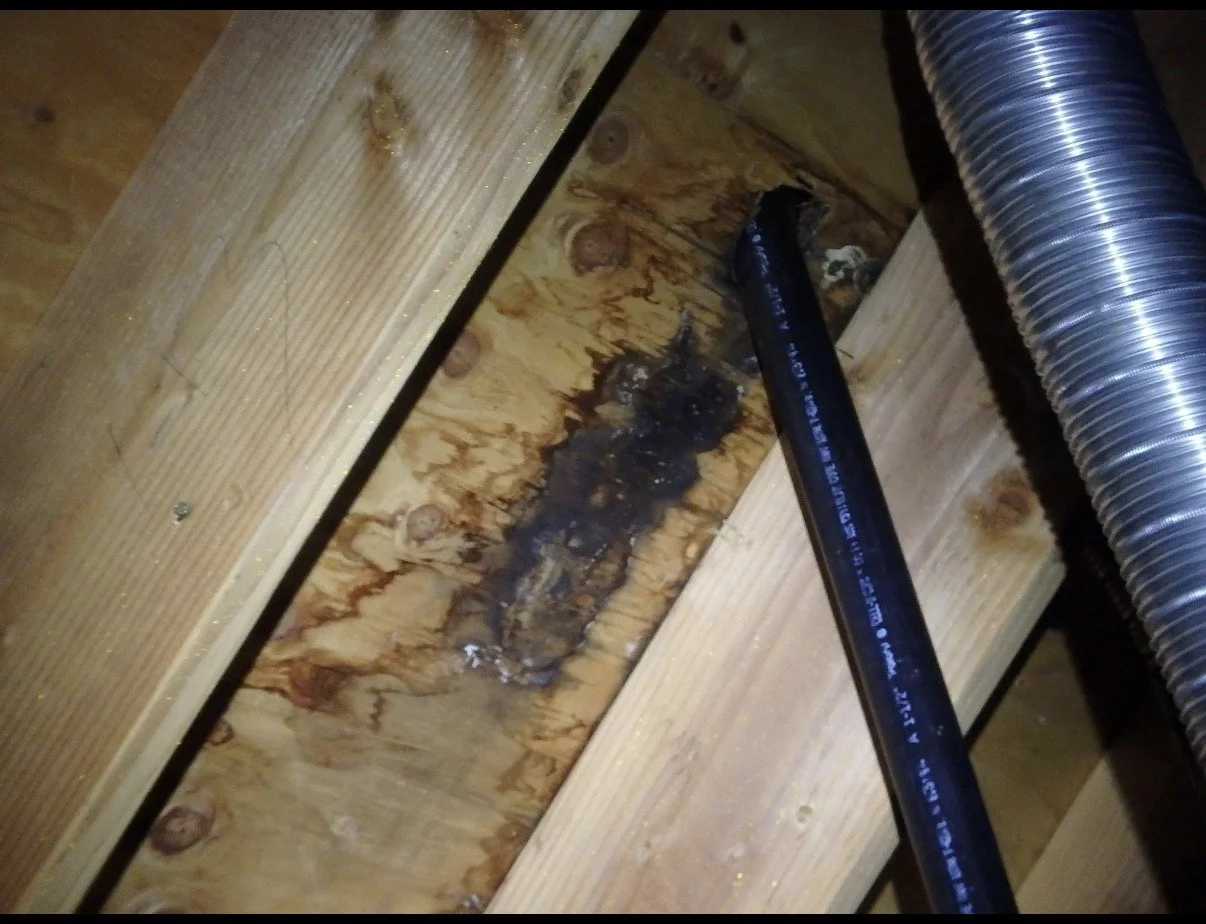
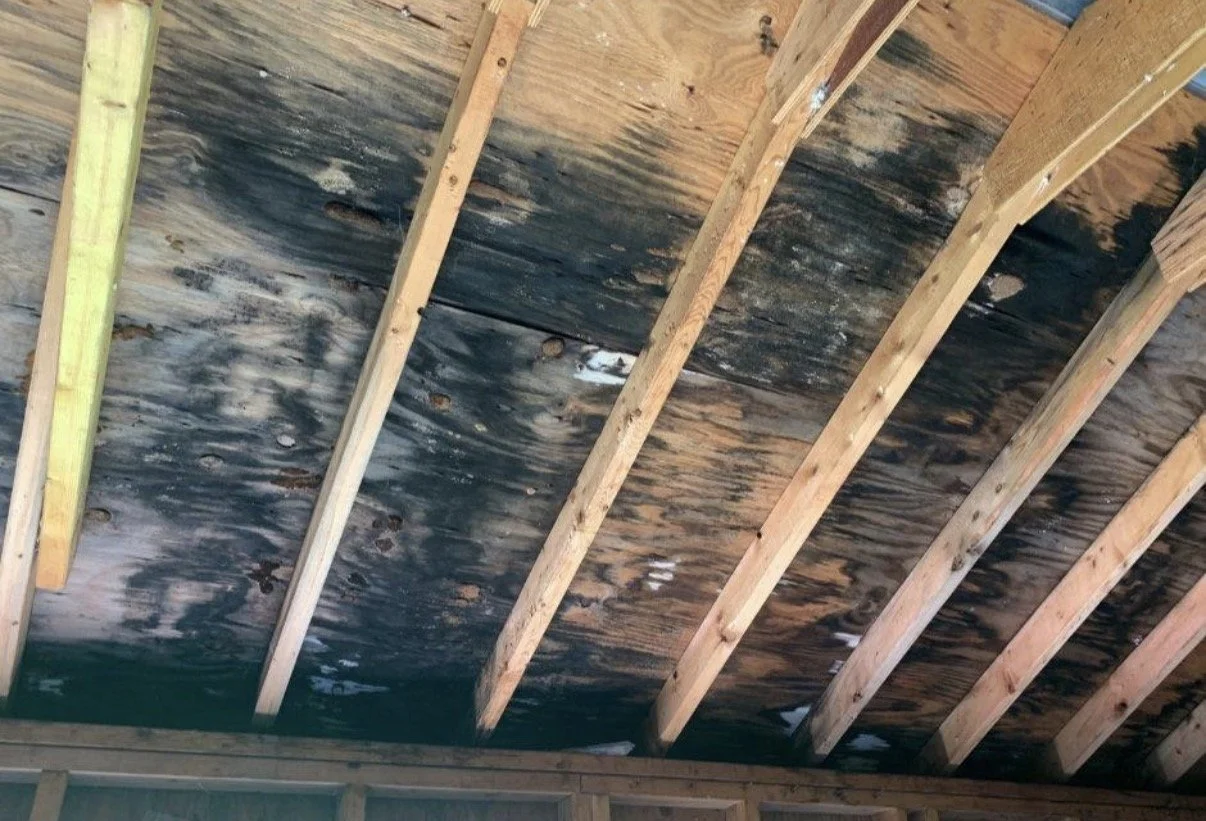
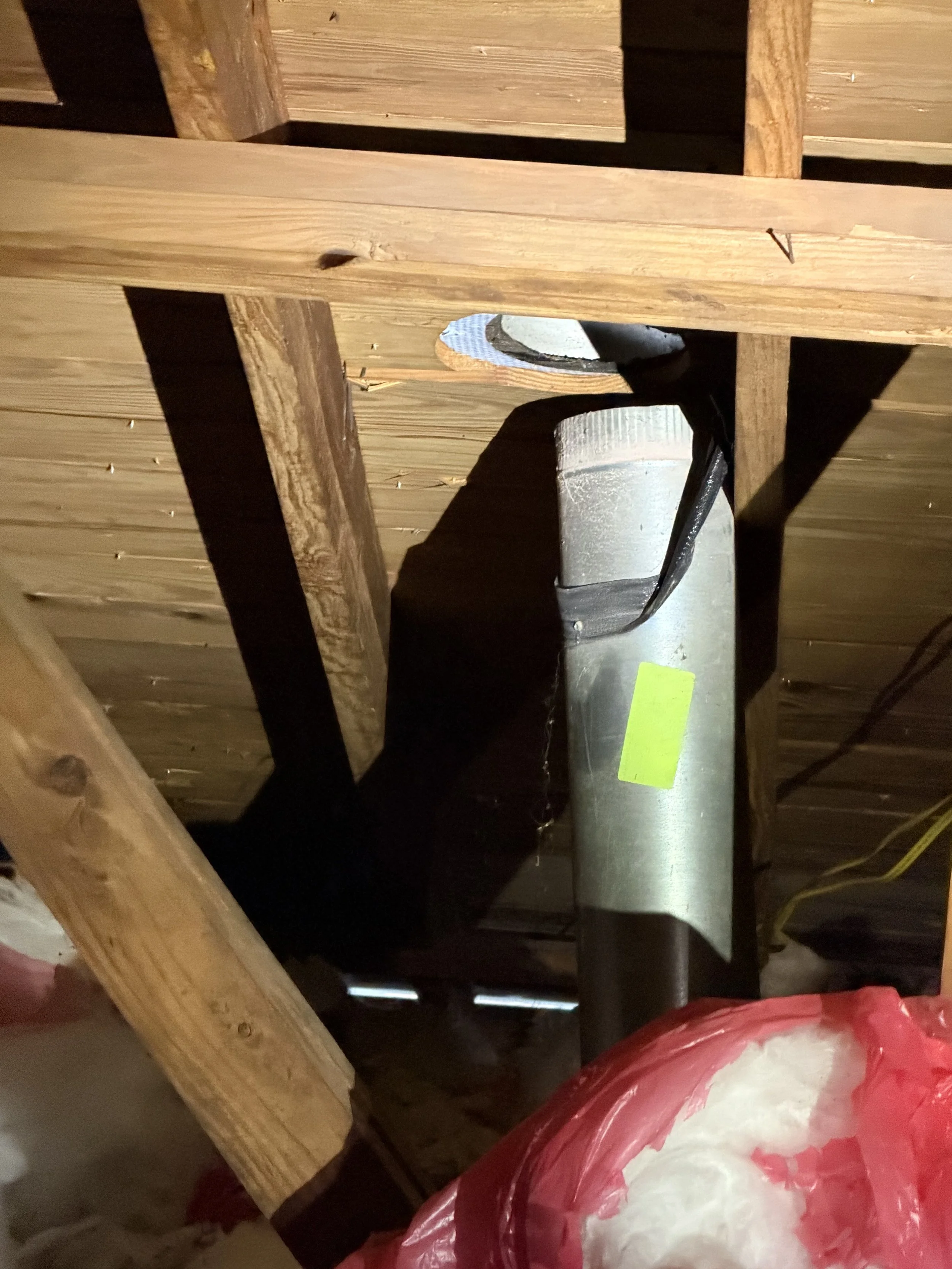
Examples of attic conditions that warrant further investigation, including roof-deck discoloration and ventilation concerns. Dark staining alone does not confirm mold growth.
Not every stain indicates mold, but unexplained discoloration or moisture deserves further investigation.
2. Bathroom Exhaust Fans
Bathrooms generate significant moisture from showers and baths. Exhaust fans help remove this humid air, but only when they are functioning and vented properly.
A bathroom exhausts fan that discharges into an attic rather than outdoors can introduce moisture into the attic space.
Crushed, disconnected, or obstructed ductwork can also reduce airflow and prevent effective moisture removal.
Homeowner tip: Run your bathroom exhaust fan during showers and for approximately 20 minutes afterward. Make sure the fan is working and that its duct terminates outdoors.
3. HVAC Systems and Condensation
Air conditioning systems remove moisture from indoor air, but condensation must drain properly.
Clogged condensate lines, leaking drain pans, poorly insulated ductwork, and air leaks around ducts can contribute to unwanted moisture.
In humid coastal environments, condensation may repeatedly develop on cold ductwork and other surfaces when humid air comes into contact with them.
What to watch for:
Water around indoor HVAC equipment
Damp insulation near ductwork
Musty odors when the system operates
Visible condensation on ducts or nearby surfaces
Routine HVAC maintenance is an important part of moisture prevention.
4. Windows, Exterior Walls, and Drainage
Moisture problems don't always start inside the home.
Improper drainage, damaged window seals, leaking exterior penetrations, and water collecting near foundations can introduce moisture into building materials.
Over time, these conditions may lead to staining, deterioration, and potential microbial growth.
Check that gutters and downspouts direct water away from the foundation and that vegetation isn't trapping moisture against exterior walls.
5. Crawl Spaces Beneath the Home
One area homeowner’s frequently overlook is the crawl space.
In coastal Georgia, outdoor humidity, exposed soil, poor drainage, and condensation can contribute to elevated moisture beneath a home.
Even when no standing water is visible, persistently damp conditions may affect wooden floor systems and create an environment favorable for mold growth.
Air movement between crawl spaces and occupied rooms can also carry moisture, odors, and airborne particles into the home.
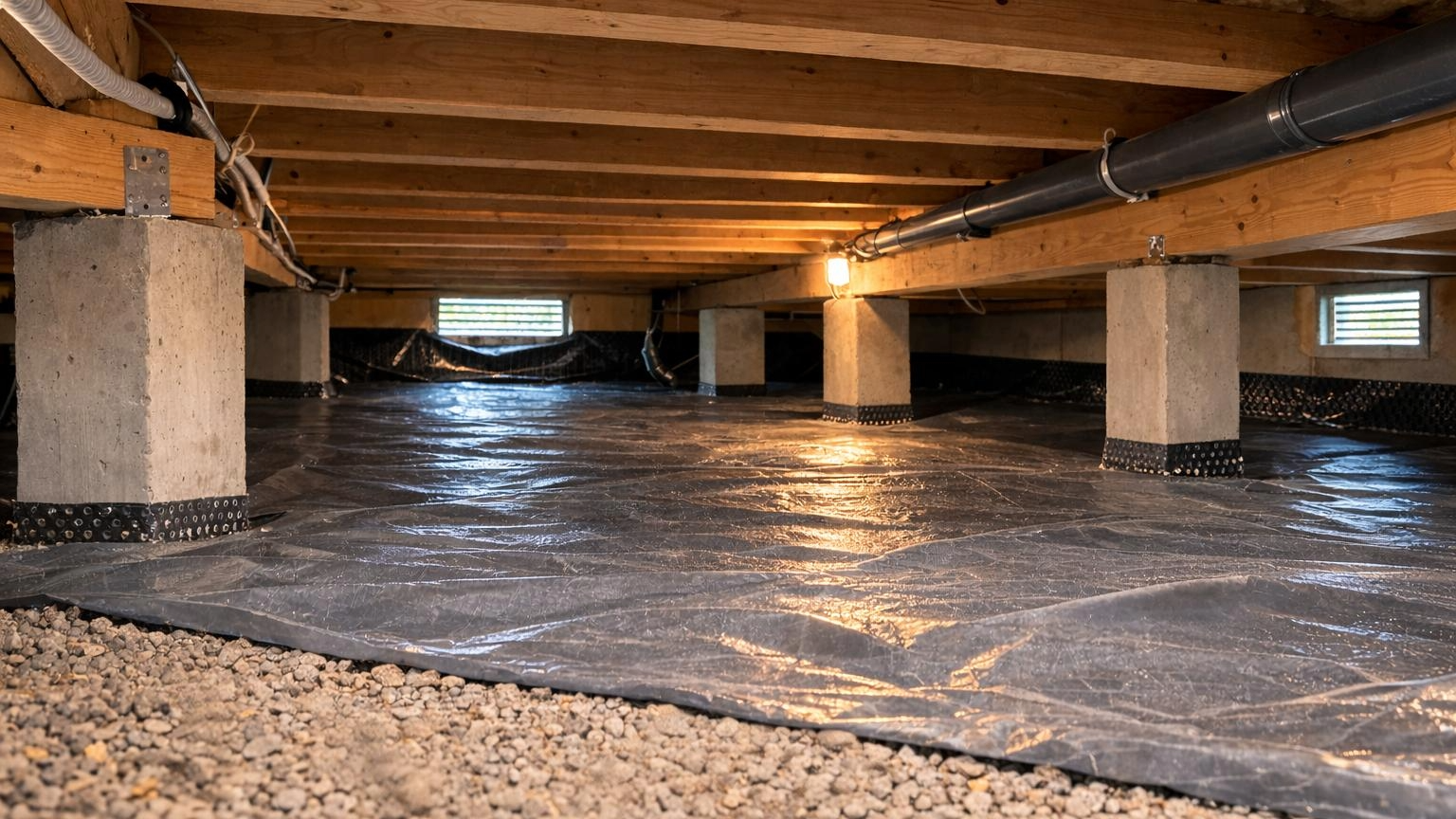
Example of good moisture management in a crawl space.
Next, we'll take a closer look at crawl spaces and why controlling moisture beneath your home is so important.
Don't Wait for Visible Mold
One of the biggest misconceptions about mold is that it must be visible to be a concern.
Moisture problems can develop behind walls, above ceilings, beneath flooring, and inside other concealed areas.
Musty odors, unexplained moisture, and recurring condensation may be early signs that further investigation is warranted.
At Mangrove Air & Environmental, LLC, we provide professional moisture and indoor air quality assessments to help homeowners identify environmental conditions that may contribute to mold growth.
Serving Savannah, Pooler, Richmond Hill, and surrounding coastal Georgia communities.
Concerned about hidden moisture or indoor air quality? Contact Mangrove Air & Environmental to schedule an assessment.