Your heating and air conditioning system does more than keep your home comfortable. It also plays an important role in managing indoor humidity.
In Coastal Georgia, where warm temperatures and high humidity are common, moisture around HVAC equipment can be a concern for homeowners.
But what happens when you notice condensation, water stains, or dark discoloration around your HVAC system? Is it normal, or could it indicate a problem that needs attention?
Understanding the possible causes is the first step.
Why Does Moisture Develop Around HVAC Systems?
There are several reasons moisture may appear around heating and cooling equipment.
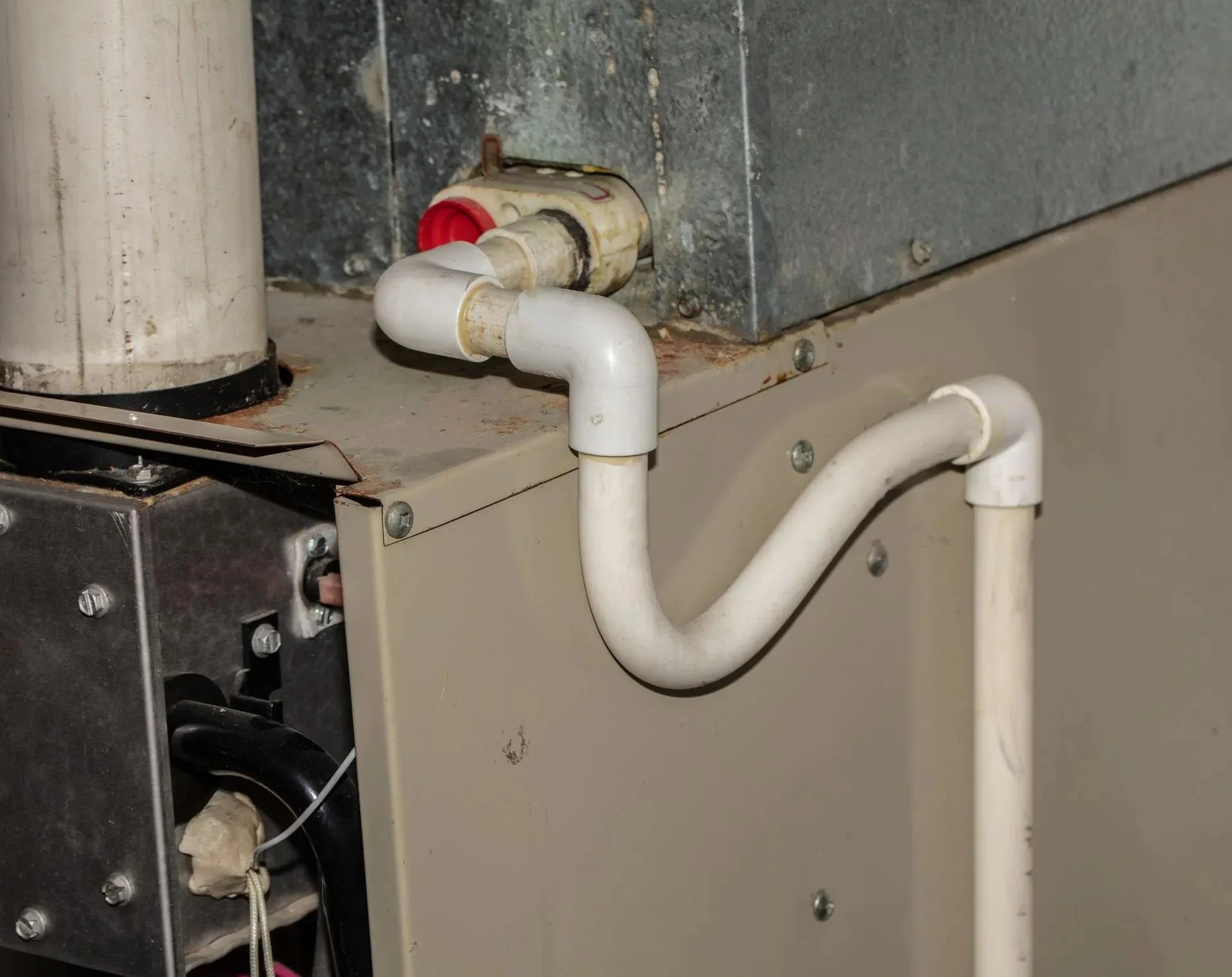
1. Condensation
Air conditioning systems naturally produce condensation as they remove moisture from indoor air.
However, condensation on the exterior of equipment, ductwork, or surrounding building materials may indicate conditions that deserve further investigation.
Warm, humid air contacting a sufficiently cool surface can cause moisture to collect, particularly when insulation or air sealing is inadequate.
2. Condensate Drainage Problems
Air conditioning systems are designed to collect and drain condensation safely.
A clogged condensate drain, damaged drain pan, or improperly installed drainage system can allow water to accumulate where it shouldn't.
If left uncorrected, persistent moisture may damage surrounding materials and create conditions favorable for microbial growth.
3. Damaged Insulation or Air Leaks
HVAC ductwork and equipment may develop condensation problems when insulation is damaged, missing, or improperly installed.
Air leakage around duct connections or equipment cabinets can also contribute to moisture problems under certain conditions.
These issues may be especially important in attics, garages, and crawlspaces, where temperature and humidity conditions can differ significantly from those inside the home.
4. Moisture From Surrounding Areas
Not every moisture problem near an HVAC system originates with the equipment.
Plumbing leaks, roof leaks, poor exterior drainage, or moisture entering from adjacent building areas can contribute to damp conditions.
Identifying the actual moisture source is essential before determining the appropriate corrective action.
Does Dark Discoloration Mean Mold?
Not necessarily.
Dark staining on HVAC equipment, insulation, or surrounding building materials may be caused by several factors, including dirt accumulation, water staining, or microbial growth.
Appearance alone cannot reliably identify mold or determine the extent of a problem.
A professional assessment may include visual observations, moisture measurements, evaluation of surrounding conditions, and sampling when appropriate.
Testing results should be interpreted in combination with the conditions observed rather than considered in isolation.
Warning Signs Homeowners Shouldn't Ignore
Pay attention to:
Water collecting around HVAC equipment
Rust or corrosion on equipment components
Damp or deteriorating insulation
Persistent musty odors near supply vents or equipment
Water staining on surrounding walls or flooring
Recurring condensation on ducts or equipment surfaces
Visible discoloration that appears to be spreading
These signs do not automatically indicate mold, but they may warrant further investigation.
What Should You Do If You Find Moisture?
The first step is identifying where the moisture is coming from.
Depending on the conditions, recommended actions may include:
Having a qualified HVAC contractor inspect the condensate drainage system.
Evaluating insulation and air leakage concerns.
Investigating nearby plumbing, roofing, or drainage problems.
Addressing affected building materials appropriately.
Considering an independent environmental assessment when suspected microbial growth or indoor air quality concerns are present.
Simply cleaning a stained surface without correcting the underlying moisture problem may allow the condition to return.
Why an Independent Assessment Matters
Moisture problems are not always straightforward. What appears to be an HVAC issue may involve multiple building conditions.
At Mangrove Air & Environmental, LLC, we investigate moisture and suspected mold concerns, document observed conditions, and provide recommendations based on assessment findings.
Our role is to help homeowners understand potential environmental concerns and determine appropriate next steps. We do not perform remediation or repairs.
Protecting Your Home Starts With Understanding the Problem
Whether moisture appears around your air handler, ductwork, or surrounding building materials, identifying the source is an important part of protecting your home.
Not every water stain means mold, but persistent moisture should never be ignored.
If you have concerns about moisture, suspected mold, or indoor air quality in your home, contact Mangrove Air & Environmental, LLC to learn more about our assessment services in Savannah and the surrounding Coastal Georgia communities.