Why fixing the leak may be only the first step
A leaking pipe, an overflowing appliance, or a roof leak may seem like a minor inconvenience once the water is cleaned up. But what happens when moisture reaches areas you can't see?
Water damage can create conditions that encourage mold growth, potentially affecting your home's indoor air quality.
The Hidden Effects of Water Damage
When water enters building materials such as drywall, insulation, carpeting, or wood, moisture may remain trapped long after the visible surface appears dry.
Under the right conditions, mold can begin growing on damp materials. That's why it's important to thoroughly dry affected areas as quickly as possible, ideally within 24–48 hours.
Simply repairing a leaking pipe doesn't necessarily mean the surrounding materials are dry.
Why Does This Matter for Your Health?
Exposure to damp and moldy indoor environments has been associated with respiratory symptoms, allergic reactions, and worsening asthma in susceptible individuals.
Researchers continue to investigate other potential health effects associated with water-damaged buildings.
While mold exposure cannot be assumed to explain every unexplained health symptom, persistent indoor moisture problems should never be ignored.
Warning Signs After a Water Leak
Even after the visible water is gone, watch for:
Musty or earthy odors
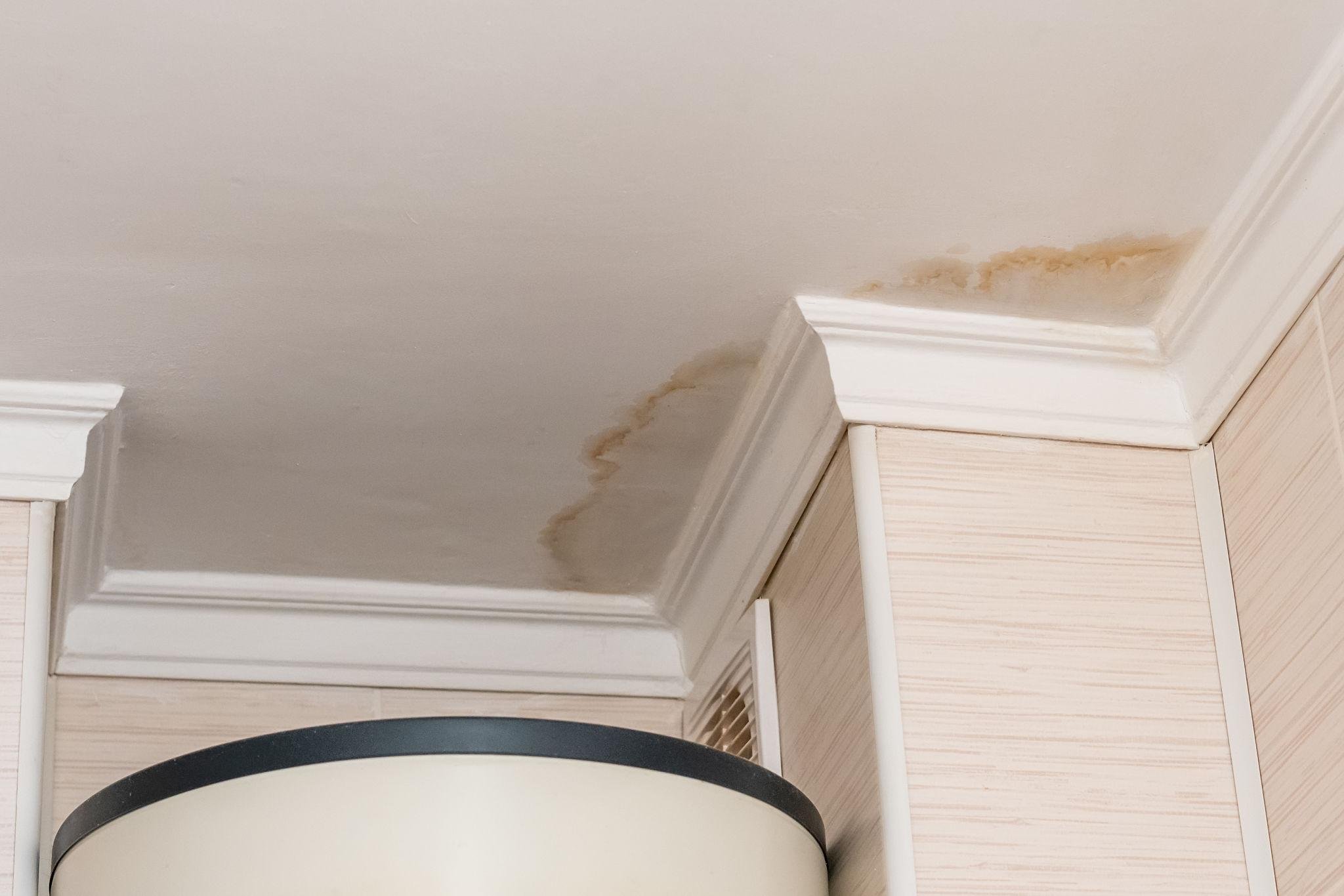
Discoloration on walls or ceilings
Bubbling paint or peeling wallpaper
Warped flooring or swollen baseboards
Unusually high indoor humidity
Dampness that keeps returning
These signs may indicate that moisture remains in building materials or that the original water source hasn't been fully corrected.
How Can a Professional Assessment Help?
At Mangrove Air & Environmental, our assessments can help identify moisture concerns that aren't immediately obvious.
Depending on the circumstances, an assessment may include:
Visual inspection of affected areas
Moisture measurements of building materials
Thermal imaging to help identify suspected moisture patterns
Evaluation of indoor humidity and potential moisture sources
Environmental sampling when appropriate
Our goal is to help homeowners understand the conditions present in their homes so they can make informed decisions about necessary repairs or remediation.
Don't Just Fix the Leak. Investigate the Damage.
A home can look completely dry while moisture remains concealed beneath flooring or behind walls.
Addressing the source of water intrusion and confirming that affected materials have dried properly are important steps toward preventing future mold problems.
🌿 A healthier home starts with understanding your indoor environment.
Mangrove Air & Environmental, LLC
NORMI Certified IAQ/Mold Assessors
Serving Savannah, Pooler, Richmond Hill, and surrounding Coastal Georgia communities.
Contact us to schedule a professional mold and indoor air quality assessment.